

- Press Release – Chacruna Institute Launches 2026 Course on Ayahuasca: Healing, Science, and Indigenous Knowledge - March 18, 2026
- Membership Support Internship (OPEN) - March 9, 2026
- Course: Ayahuasca Healing, Science and Indigenous Knowledge - February 10, 2026
A collaboration between the Chacruna Institute for Psychedelic Plant Medicines and Ligare, A Christian Psychedelic Society. The course is supported by the Emory Center for Psychedelics Spirituality and the Graduate Theological Union, and received a grant from Unlikely Collaborators, which helps people and communities uncover and shift limiting beliefs shaped by their life experiences so they can resolve inner conflict, connect more deeply with others, and act with greater clarity and compassion.
About the Course
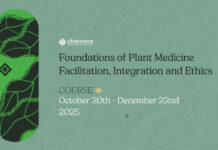
This 13-week online training equips clergy and lay leaders from diverse religious traditions with foundational knowledge about the therapeutic, spiritual, and cultural dimensions of psychedelics. Participants explore ethics, harm reduction, interreligious perspectives, and practical tools for guiding community members with sensitivity and wisdom.
WHEN: January 15 to April 9 2026
WHERE: Online
DURATION: 13 weeks
PRICE: $500
Price for CE credits TBD
CE Credits offered TBD
REGISTER HERE
Do you wish you got into this event for free? Become a Chacruna member and receive free or discounted access to all Community Forums, Courses, Workshops, and more! Also get full access to our entire archive of past forum recordings and join our global network of psychedelic professionals and activists to dive deeper into discussion and discovery.
Course Platform: Thinkific
Live classes will take place on Thursdays.
Lecture recordings and readings will be sent to the students each week.
Lecture slides may be provided at each professor’s discretion
You can find more information to Frequently Asked Questions here.
Refund Policy click here
Program Vision
The Psychedelics 101 pilot seeks to build bridges between spiritual, psychological, and scientific understandings of psychedelics. Through interdisciplinary learning and dialogue, it enhances the ability of religious leaders to offer guidance consistent with their spiritual mission while acknowledging the profound potential of psychedelics for healing and personal growth.
By investing in this training, religious leaders can foster informed, inclusive, and spiritually grounded responses to the evolving conversation around psychedelics, strengthening the overall well-being of their communities.
Student Learning Objectives
At the end of the program, participants will be able to:
- Engage in respectful dialogue that honors both psychedelic plant-medicine traditions and faith-based values.
- Understand therapeutic, spiritual, and cultural dimensions of psychedelics.
- Recognize potential risks and benefits associated with psychedelic use.
- Employ harm-reduction strategies to support community members exploring psychedelics.
Key Program Elements
Foundational Knowledge
An overview of the history and cultural traditions surrounding psychedelic plant medicines.
Ethics and Theology
Exploration of how psychedelics intersect with ethical reflection, spiritual care, and religious teachings.
Harm Reduction Practices
Practical strategies for minimizing risks and fostering safe, supportive environments for those engaging with psychedelics.
Case Studies and Scenarios
Real-world examples that help leaders navigate complex situations with nuance and compassion.
Interreligious and Interdisciplinary Perspectives
Opportunities to engage with experts and peers from diverse backgrounds, promoting a holistic understanding of psychedelics in both religious and secular contexts.
Narrative Background
Religious professionals play a vital role in offering guidance and support to their communities, often during moments of deep personal and spiritual exploration. As interest in psychedelic therapies and ceremonies involving plant and fungi medicines expands, many community members now turn to trusted faith leaders for insight.
This shift brings both opportunity and challenge. Religious leaders must provide informed, compassionate, and spiritually grounded responses while navigating questions of safety, ethics, and theology. At the same time, they may need personal support in integrating existential and religious shifts that can follow psychedelic experiences in therapeutic or ceremonial contexts.
Without a clear understanding of risks, benefits, and cultural frameworks, clergy and lay leaders may find it difficult to prepare or integrate such experiences. Misunderstandings or inadequate responses can lead to lost opportunities for harm reduction, spiritual care, or meaningful dialogue—and may reinforce stigma or taboo. This pilot program offers evidence-based education and practical guidance to empower religious leaders to approach psychedelics with confidence, sensitivity, and wisdom.
Classes
Click on the class to read the description
Class One — Welcome. Religion, healing, and psychedelics
Professors: Hunt Priest, Henrique Antunes and Bia Labate
Class Two — Psychedelics and Christianity: taboos and the war on drugs
Professor: Aisha Mohammed and Hunt Priest
In this session, we will discuss the relationship between modern Western Christianity and dominant political ideologies, using the War on Drugs as a framing. The long history of the War on Drugs and its relationship to White Christian Nationalism started as early as the 1880s. This session will examine how a Protestant moral framework influenced the racialized and sexualized narratives of drugs and people who use drugs, and how these narratives continue to influence the discourse about psychedelics today without explicit reference to their religious underpinnings. We will also examine specific Christian prohibitions around psychedelics and will examine use of psychedelics among Christians in the 1950s and 1960s.
Class Three — Psychedelics, prohibitionism and social stigmas
Professor: Nidia Olvera
This session examines the historical and sociocultural processes that have contributed to the stigmatization and prohibition of psychedelic substances and plant medicines. The analysis begins in the colonial period, when plants regarded as sacred by pre-Columbian cultures were systematically persecuted and banned by the Inquisition. During the 19th and 20th centuries, the medicalization of these substances reframed them within the emerging discourse of addiction, giving rise to new forms of moral and legal regulation. In the latter half of the 20th century, prohibitionist policies were consolidated—initially through the association of cannabis with madness, criminality, and social marginalization, and subsequently through the 1971 United Nations Convention on Psychotropic Substances, which institutionalized the global ban on most psychedelics. By tracing these developments, the course seeks to understand how colonial, medical, and legal frameworks have shaped contemporary social stigmas and regulatory paradigms surrounding psychedelic use.
Class Four — The legal landscape of psychedelics in the US
Professor: Allison Hoots
This presentation examines the evolving legal status of psychedelics in the United States, with emphasis on their use in religious contexts. We will trace the history of drug control laws and how they treat supported, personal, medical, and sacramental use differently. Particular attention is given to religious exercise, where exemptions under the Religious Freedom Restoration Act have recognized some sacramental practices with controlled substances. Courts and agencies have developed a framework to assess such claims, focusing on safety, sincerity, and the restriction of substances to religious purposes. Together, these elements shape whether a psychedelic practice may be legally protected as religious exercise.
Class Five — Psychedelics and traditional healing systems
Professor: Henrique Antunes and Jessica Felix Romero
This session explores the relationship between psychedelics and healing within traditional frameworks. We will focus on the Santo Daime tradition, a Brazilian ayahuasca religion founded in the 1930s that blends Christian, Afro-Brazilian, and Indigenous elements. We will examine the structure of healing ceremonies and discuss the central role of music, the sensory experience, and the body in this tradition. We will also discuss a variety of complexities that dual-identity practitioners encounter when navigating traditional healing practices in mixed-spirituality containers and how our imagination around healing weaves throughout the psychedelic experience.
Class Six — Psychedelic Assisted Therapy: an historical overview
Professor: Erika Dyck and Jordan Slowshower
This session will briefly introduce students to the diverse histories of psychedelics. It will provide examples of how encounters with non-ordinary states developed different historical trajectories, through ceremony, biomedicine, and culture. Through this brief snapshot, we will discuss how this past informs our contemporary attitudes towards psychedelics. This session will also elaborate on how these historical trajectories inform different contemporary discourses for understanding psychedelic effects and in turn, different models of psychedelic therapy, ranging from pharmacological to explicitly psychotherapeutic. We will also consider how historical, political and economic forces impact treatment models in both clinical trials and real-world settings.
Class Seven — Indigenous use and spiritual tourism
Professor: Osiris Garcia Cerqueda
The psychedelic movement is currently experiencing one of the most pivotal moments in its history, as it brings together scientific, pharmaceutical, political, and holistic perspectives. From these vantage points, compelling narratives are emerging that affirm the effectiveness of psychedelics and sacred plants in treating a wide range of psycho-emotional conditions—and, more ambitiously, as tools for the positive transformation of humanity. Yet many of these narratives, shaped largely in Western contexts, place Indigenous peoples and sacred plants at the center of this monumental task, often overlooking the historical and ongoing complexities Indigenous communities face. In this class, we’ll open a space for dialogue around the tensions between Indigenous healing traditions and practices within the global psychedelic movement, such as shamanic tourism. What impact do these global psychedelic practices have on the sacred plants traditionally used by Indigenous peoples? And is it possible for these differing perspectives to engage in meaningful dialogue toward a new paradigm? These questions—and others that may arise—will guide our collective exploration.
Class Eight — Ethics & right relationship
Professor: Jamie Beachy, Jennifer Jones and Bryan McCarthy
This session will explore the complex ethical landscape where psychedelics and religion meet. Together, we will examine how differing ethical starting points—often rooted in diverse spiritual, cultural, and philosophical worldviews—shape our understandings of right relationship, consent, and care. Rather than seeking to change others’ frameworks, we will practice finding meaningful agreement across them. Through discussion, case studies, and reflective exercises, participants will engage with topics such as consent, risk, cultural competence, and inclusion. We will explore how religious preparation and integration support ethical engagement with psychedelics, and what ethical obligations arise from facilitated or participating in such experiences. By the end of the session, participants will be able to articulate three spiritual, religious, and existential risks of psychedelic use, describe the ethics of consent in light of these risks, and identify three concrete ways to create inclusive, psychologically safe psychedelic spaces that honor diverse spiritual traditions and human experiences.
Class Nine — The Contemporary Psychedelic Ecosystem
Professor: Henrique Antunes, Bia Labate
The contemporary psychedelic landscape is undergoing unprecedented transformation as psychedelic plant medicines and substances move from the margins into mainstream medical, commercial, and cultural domains. This session examines the multifaceted dimensions of psychedelic mainstreaming, exploring both its promises and perils. We will explore critical tensions emerging within the field: between medicalization and spiritual traditions, corporate interests and grassroots movements, innovation and appropriation, accessibility and equity. Through examining current debates around decriminalization, clinical trials, and cultural commodification, we investigate how the so called “psychedelic renaissance” is reshaping therapeutic paradigms while raising urgent questions about who benefits from and who is excluded from these developments. The session challenges the dominant narrative of psychedelic history centered on the Global North, examining how this framework ignores diverse psychedelic traditions, Indigenous knowledge systems, and the contributions of marginalized communities who have sustained these practices through decades of prohibition. We analyze the epistemological hierarchies that privilege biomedical research over traditional forms of knowledge, and address the environmental and social costs of rapid expansion. We will critically examine questions of access, equity, reciprocity, and environmental sustainability, while considering tensions between individual therapeutic models and structural forms of oppression. This session addresses some of the most urgent issues of the contemporary landscape, while exploring pathways toward a more just and sustainable psychedelic future that honors both scientific innovation and ancestral wisdom.
Class Ten — Psychedelics and Underrepresented Communities
Professor: Jessica Felix Romero, Joseph McCowan and Nicholas Powers
This session will discuss the dual experience of underrepresentation within religious spaces and psychedelic spaces, and how it can influence both the ceremony and integration of experiences. We will also explore how psychedelics can magnify complexities between religion and colonization. Additionally, this session will cover the meeting points between the American social movement tradition and the psychedelic counterculture, specifically seeing through the lens of two concepts, Collective Transference and the Return to the Body. The former is rooted in psycho-dynamic practice, the latter comes from a literary analysis of Western philosophy, Marxism and American minority literature. Using that lens, we can put the psychedelic renaissance under a microscope and find that pushing for psychedelic therapy for unions is a sweet spot to crowbar a sustainable space in the culture.
Class Eleven — Psychedelics and interfaith dialogues
Professor: Rabbi Zac Kamenetz, Sughra Ahmed and Rev. Hunt Priest
In this discussion session, presenters will engage in open dialogue with leaders from Christianity, Islam, and Judaism, drawing on expertise in plant medicine, religion, and interspirituality. Students will explore how plant medicines and altered states appear across these monotheistic traditions, reflecting on ethical, communal, and interfaith dimensions of contemporary psychedelic practice. Together, we will learn how these perspectives on healing, nature, and the sacred can inform integration and self-transformation.
Class Twelve — Spiritual, religious and existential risks, addressing spiritual dimensions of post-psychedelic difficulties
Professor: Roman Palitsky and Megan Hollaway
Psychedelics can produce profound experiences that are spiritual, existential, religious, or theological (SERT) in a variety of ways. Though often enriching and positive, SERT-related impacts can at times be challenging and even harmful. These sessions address the psychospiritual challenges that can arise in the context of psychedelics, as well as the roles that religious professionals can have in navigating these challenges. Session 1 discusses what SERT challenges are, how they might be recognized, as well as some risk factors. Session 2 discusses the meanings that can take shape around post-psychedelic difficulties, approaches grounded in pastoral and spiritual care for helping individuals through such difficulties, and explores instances when difficulties require support besides spiritual care (i.e., when to refer).
Class Thirteen — Conclussion Session
In this final class, we will strive to summarize everything taught throughout the course. In doing so, we will recap the main concepts, highlight the main moments, and give folks a chance to voice any significant takeaways about the topics discussed. We will also make a critique of the course and think of ways to improve it for future teachings.
Professors
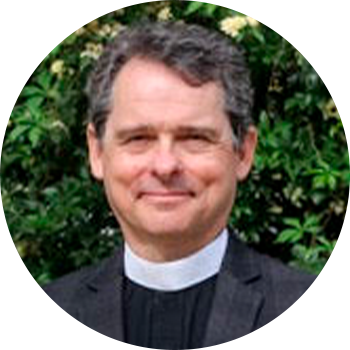
The Rev. Hunt Priest is a priest of The Episcopal Church and was a 2016 participant in a Johns Hopkins/NYU psilocybin study. His encounters with psilocybin opened him to the healing and consciousness-raising power of sacred plants and fungi and their connection to his own Christian practice. The epiphanies forever changed the trajectory of his work and led him to start Ligare: A Christian Psychedelic Society in 2021. He lives in Savannah, Ga.
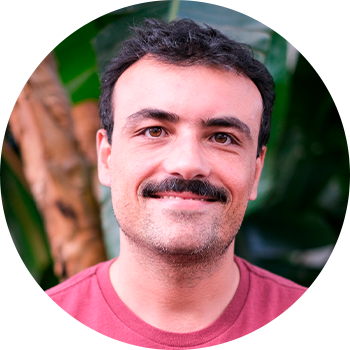
Dr. Henrique Antunes is a Brazilian anthropologist with a Ph.D. from the University of São Paulo. He has conducted research on the regulation of ayahuasca in Brazil and internationally, and is a member of Santo Daime, a Brazilian ayahuasca religion. He is the Coordinator of the Research Department and of the Ayahuasca Community Committee at the Chacruna Institute for Psychedelic Plant Medicines.
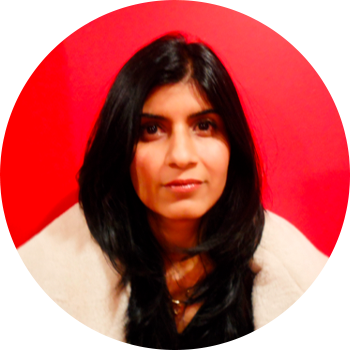
Aisha Mohammed, LMFT, is a cisgender, queer, Pakistani-American woman who immigrated from Karachi to Los Angeles as a child. She has been working in harm reduction for a decade with Project SAFE, providing direct services and advocating for the human and labor rights of people who trade sex and use substances. Aisha trained as a family therapist at Drexel University and has worked primarily with low-income families of color, immigrants and people who use substances in community mental health and educational settings. She currently works as a private practice therapist and is co-founder of Rising Caps Collective. She has been doing healing work with people in expanded states for 4 years with her co-founder, Jennifer Jones.

Nidia A. Olvera Hernández, Ph.D., is a Mexican historian and anthropologist. She has a doctorate in modern and contemporary history at the Mora Institute in Mexico City. Nidia earned a bachelor’s degree in ethnohistory from the National School of Anthropology and History (ENAH) and a master’s in social anthropology from the Center for Research and Higher Studies in Social Anthropology (CIESAS) in Mexico City. Her primary research interests lie in the historical and contemporary dimensions of psychoactive substance use and drug policy. She has worked as a Project Coordinator at the United Nations on drug treatment programs and as a professor at the Autonomous University of Mexico City and ENAH. She is co-editor (with Bia Labate) of the book Plantas Sagradas en México: tradición, religión y ritualidad [Sacred Plants in Mexico: Tradition, Religion and Ritual (COLSAN/Chacruna Institute 2023) and author of several peer-reviewed articles. She collaborates as a research associate at Chacruna Latinoamérica in México and contributes to the Journal of Social History of Alcohol and Drugs as Associate Review Editor and is a research fellow at the Consortium for the History of Science. Currently she is a postdoctoral researcher on the Project, “Poison, Medicine or Magic Potion? Shifting Perspectives on Drugs in Latin America,” at Radboud University, Netherlands.

Allison Hoots is an attorney with Hoots Law Practice PLLC. She has had a diverse experience practicing law, including in the legal areas of employment, corporate, employee benefits, tax, and intellectual property and advising churches’ on operation and limiting liability in their religious use of sacraments. She is Chacruna’s Law and Drug Policy Reform Advisor and the lead author of Chacruna’s Guide to RFRA and Best Practices for Psychedelic Plant Medicine Churches. Allison is also Executive Director of Sacred Plant Alliance, Inc., a self-regulating organization and professional society of spiritual practitioners with religious communities dedicated to the advancement of the ceremonial use of psychedelic sacraments within the United States. Additionally, she is Head Legal Counsel for New Yorkers for Mental Health Alternatives. Since 2017, Allison has been a founding member of the Board of Trustees and officer for a nonprofit church that uses plant medicine in prayer. Allison lives in the Hudson Valley of New York with her beloved musician husband, Sean, and two children, Vera and Archer.
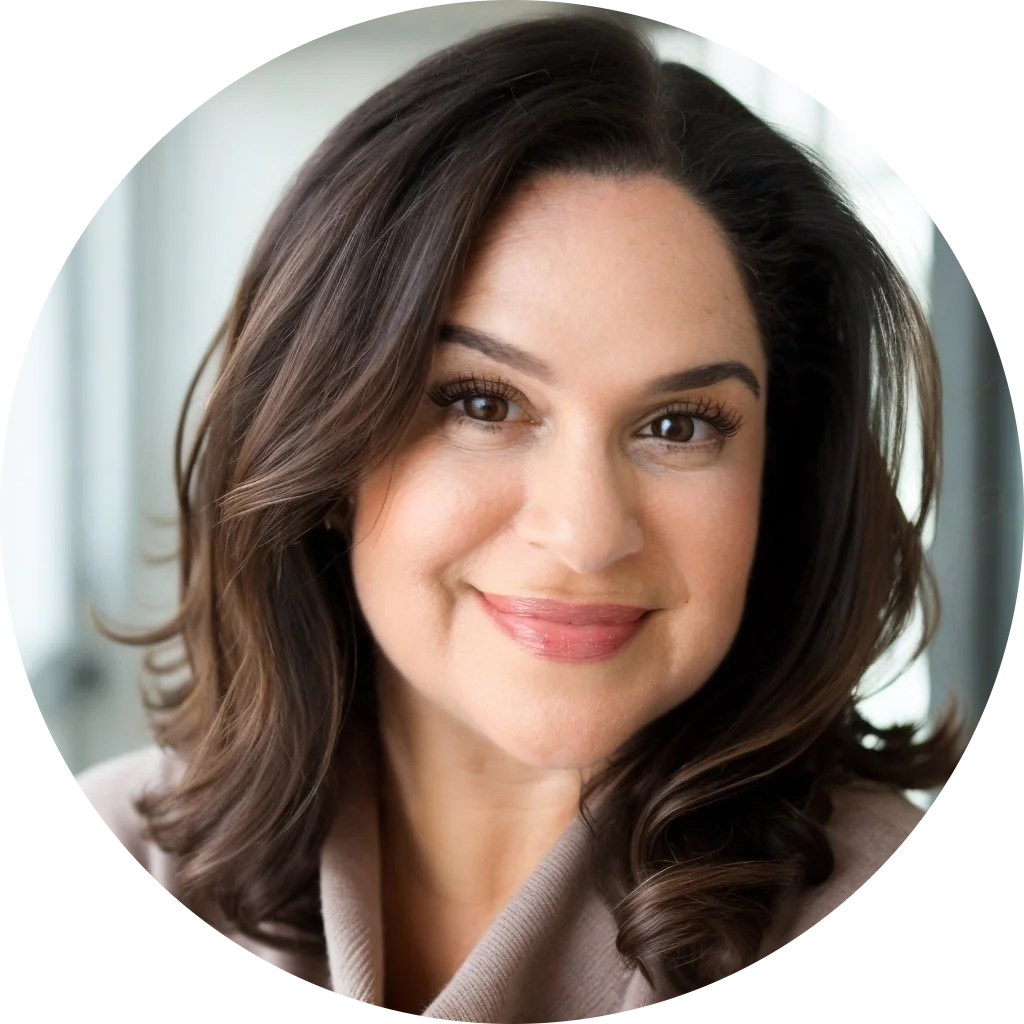
Jessica Felix Romero is a national faith leader advancing progressive religious movement building, interspiritual collaboration, and theological innovation. With over 15 years of experience in social justice advocacy, organizing, and communications, she previously served as Vice President and Chief Strategy and Impact Officer at Sojourners, where she helped set faith-based narrative change and justice-oriented policy agendas. She currently serves as the board chair for Ligare. Holding a doctorate in conflict analysis and resolution, Jessica integrates holistic systems thinking with transformative design to foster social change. Her work explores the intersections of spirituality, ancestral wisdom, and Christianity. Her latest publication, God’s Wisdom Implanted in All Things (2024), examines entheogenic plant wisdom, Christian mysticism, and embodied theology as pathways to emergent wisdom. A student of somatic writing and embodied leadership, Jessica is committed to reclaiming ancient spiritual traditions for contemporary faith communities.
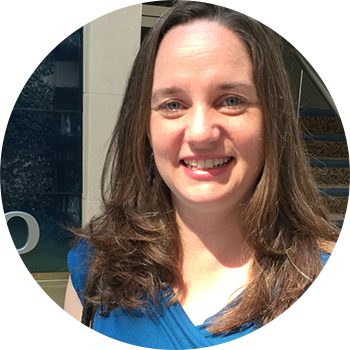
Erika Dyck is a Professor and a Canada Research Chair in the History of Health & Social Justice at the University of Saskatchewan. She is the author or co-author of several books, including: Psychedelic Psychiatry (2008); A Culture’s Catalyst: Historical Encounters with Peyote and the Native American Church in Canada (2016); Psychedelic Prophets: The Letters of Aldous Huxley and Humphry Osmond (2018); Mujeres y Psicodélicos (2022) and co-author of The Acid Room: the psychedelic trials and tribulations of Hollywood Hospital (2022).
Jordan Sloshower, MD, MSc is a psychiatrist, researcher, and educator whose work focuses on therapeutic applications of psychedelic medicines, and in particular, how these novel treatments can be delivered in a manner that promotes holistic healing and social justice. He is co-founder of West Rock Wellness PLLC, an integrative mental health and wellness center in New Haven, CT. He is also a clinical instructor in the Yale Department of Psychiatry, where he co-founded the Yale Psychedelic Science Group and served as an investigator and therapist in several clinical trials of psilocybin-assisted therapy. Reflecting his commitment to ethical stewardship of psychedelic medicines, Jordan serves as a member of Chacruna Institute’s advisory board and was part of the inaugural Board of Directors of the American Psychedelic Practitioners Association. His interdisciplinary perspective is informed by training in medical anthropology and global health, and deep interests in ceremonial uses of plant medicines, Buddhist philosophy, and integrative approaches to wellness.
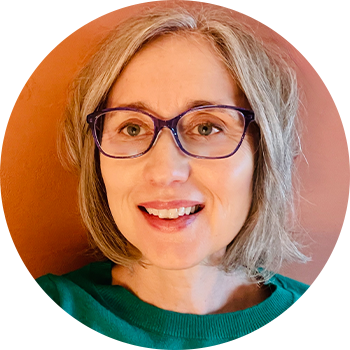
Jamie Beachy, PhD MDiv, is a professional chaplain, spiritual care educator, and ethics consultant with experience in palliative care, hospice, and trauma care. Jamie was a sub-investigator for MAPS Phase 3 clinical trials researching the safety and efficacy of MDMA-Assisted Therapy for the treatment of PTSD. Jamie is currently Field Scholar with Emory University’s Center for Psychedelics and Spirituality. Jamie sits on the Board of Directors of the Chacruna Institute for Psychedelic Plant Medicines.

Dr. Bia Labate (Beatriz Caiuby Labate) is an anthropologist, educator, author, speaker, and activist, committed to the protection of sacred plants while amplifying the voices of marginalized communities in the psychedelic science field. As a queer Brazilian anthropologist based in San Francisco, she has been profoundly influenced by her experiences with ayahuasca since 1996. Dr. Labate has a Ph.D. in social anthropology from the University of Campinas (UNICAMP) in Brazil. Her work focuses on plant medicines, drug policy, shamanism, ritual, religion, and social justice. She is the Executive Director of the Chacruna Institute for Psychedelic Plant Medicines and serves as a Public Education and Culture Specialist at the Multidisciplinary Association for Psychedelic Studies (MAPS). Additionally, she is a Visiting Scholar at the Graduate Theological Union in Berkeley and an advisor for the Veteran Mental Health Leadership Coalition. Dr. Labate is also a co-founder of the Interdisciplinary Group for Psychoactive Studies (NEIP) in Brazil and the editor of its site.
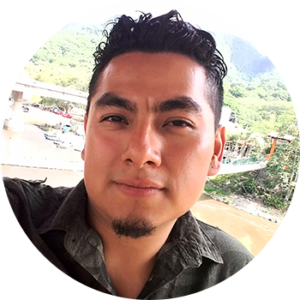
Dr. Osiris García Cerqueda is an Indigenous Mazatec historian and sociologist from Huautla de Jiménez, Oaxaca, Mexico. From a very young age, he has dedicated himself to the study of the history of his community and the practice of the ancestral ritual with psilocybin mushrooms, of which Maria Sabina was renowned. In recent years, reciprocity and restorative justice are the basis of his work of conducting a needs assessment in his community and developing activities to strengthen the Mazatec bioculture. Osiris seeks to raise awareness about the impact of the Global North on the Mazatec people in this new wave of the psychedelic renaissance. He is Program Coordinator of Chacruna’s Indigenous Reciprocity Initiative of the Americas (IRI).
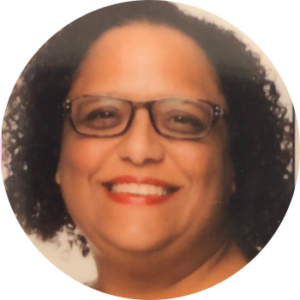
Jennifer C. Jones, PhD, LCSW, is a 54 y.o., multiracial Black, queer, fairly able-bodied, cisgender woman with U.S. citizenship. She co-founded Rising Caps Collective with Aisha Mohammed supporting expansive healing to address traumatic legacies of colonization, slavery and capitalism. Jennifer previously worked with Lykos (formerly, MAPS MPBC) as a JEDI consultant and a MAT educator. Since 1998, Jennifer has practiced trauma psychotherapy with individuals identifying as: LGBTQA; transgender or gender non-binary; people of color; sex workers; substance users; experiencing class oppression; and/or HIV positive. Previously, she served as the Chief DEI Officer of Philadelphia FIGHT and as faculty and ED of Gestalt Training Institute of Philadelphia. As a parent who believes a just world is possible, Jennifer is committed to the unity of the global poor and dispossessed, organizing across color lines to fight for everyone’s economic human rights. Jennifer sits on the Board of Directors of the Chacruna Institute for Psychedelic Plant Medicines.
Bryan McCarthy, DPhil, is a Visiting Assistant Professor of Philosophy, University of Pittsburgh. Dr. McCarthy teaches Post-Kantian Philosophy, Eastern Thought, Philosophy of Religion, and Business Ethics. In his scholarship, he focuses on how material things augment or hinder authentic religiosity and spirituality. Currently, this has two prongs: phenomenology of clothing and the religiosity of psychedelic medicine. He is working on a monograph about the extent to which our clothing shapes our self-experience and how this impacts religious and spiritual pursuits.
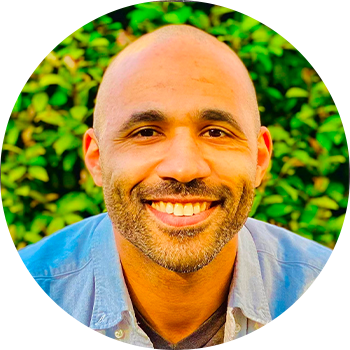
Joseph McCowan, PsyD, is a licensed clinical psychologist and researcher, currently working in Los Angeles. He received his undergraduate degree in psychology from the University of California, Santa Barbara, and his doctorate in clinical psychology from the Chicago School of Professional Psychology. Since 2019, Joseph worked as a Co-therapist and Supervisor in the MAPS sponsored Phase 3 clinical trials of MDMA-Assisted Therapy for PTSD and supports MAPS Therapy Training and Education as a Lead Educator and Supervisor. Additionally, Dr. McCowan supported efforts toward increasing the diversity of therapists and participants in the MAPS clinical studies as part of the MAPS Diversity Working Group. Dr. McCowan also currently conducts research as a therapist in the Compass Phase III Studies of Psilocybin-Assisted Therapy for Treatment Resistant Depression and provides Psychedelic assisted therapy education as a lead trainer with Fluence. Joseph’s prior work includes providing Ketamine Assisted Therapy and Psychedelic Integration Therapy at the California Center for Psychedelic Therapy. Joseph is deeply passionate about furthering education and awareness of the healing benefits of psychedelics for communities of color and in working to improve mental health outcomes for historically underserved communities. He is a member of Chacruna’s Board of Directors.
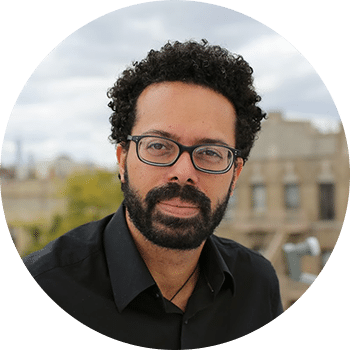
Dr. Nicholas Powers is an Associate Professor, novelist, poet and journalist. His recent book Black Psychedelic Revolution was published by Upset Press in 2025. He has written for Double-Blind, Truth-Out, the Village Voice, and Lucid News. He has given talks at Horizons, Naropa University Center for Psychedelic Studies, Big Psyche and Burning Man. His areas of focus are literature, political economy, psychoanalysis and social movements. He has reported from the NYC during 9/11, New Orleans after Hurrican Katrina, the Darfur Genocide and Black Lives Matters.
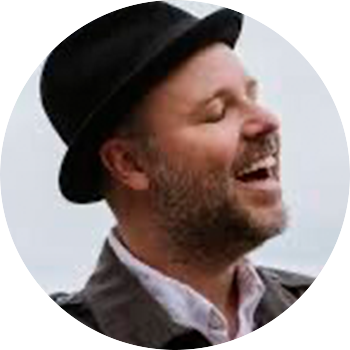
Zac Kamenetz is a rabbi and community leader who is based in Berkeley. A highly sought-after educator and qualified MBSR instructor, Zac’s work is centered on seeking answers to life’s essential questions within the context of Jewish tradition and embodied spiritual practice. Zac is the founder and CEO of Shefa, an independent 501(c)(3) organization that was founded in 2020 and is dedicated to supporting Jewish psychedelic explorers in North America and abroad. Shefa, a word that means “flowing abundance” in Hebrew, is helping to cultivate greater awareness in the Jewish community about the potential rewards and risks of psychedelic use in a variety of settings; advocating for a more culturally competent and religiously inclusive approach to Jewish experience in the psychedelic world; and integrating Jewish spiritual traditions and psychedelic exploration in ethical and authentic ways. Through these efforts, Zac is pioneering a movement to bring safe and supported psychedelic use into the Jewish spiritual tradition, advocating for individuals and communities to heal inherited trauma, and inspiring a Jewish religious and creative renaissance in the 21st century. Zac is also a co-founder of the Jewish Psychedelic Summit, is trained in psychedelic-assisted psychotherapeutic care through Inbodied Life, and is certified in psychedelic-assisted psychotherapy by the Hakomi Institute of Northern California.
Sugra Ahmed, PhD, is the Managing Director of the Peterborough Cultural Alliance. Sughra’s experience is diverse and wide-ranging. She has previously worked with organisations including the Universities of Birmingham, Yale and Stanford, the United Nations, and is the founder and director of Brilliant Burnley, a community organisation. She was a participant along with Hunt Priest in Johns Hopkins’ religious leaders research and convenes a group of Muslims exploring the implications of psychedelics for their faith.
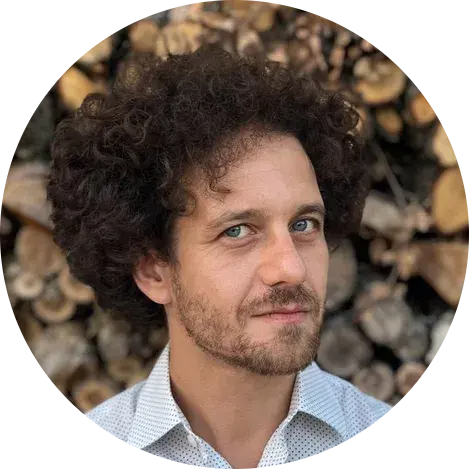
Roman Palitsky, MDiv, Ph.D. is Assistant Professor of Psychiatry and Behavioral Sciences and Director of Research Projects in Spiritual Health at Emory University, and he is faculty in the Emory Center for Psychedelics and Spirituality. His research applies a bio-psycho-social-spiritual approach to improving behavioral interventions by ensuring that treatments are responsive to care seekers’ needs, resources, communities, and cultures. His work in psychedelic treatment research reflects these commitments by seeking to make psychedelic therapies rigorous, effective, and accountable to the many patient populations who might benefit from them, and to support those care seekers who may experience adverse effects.
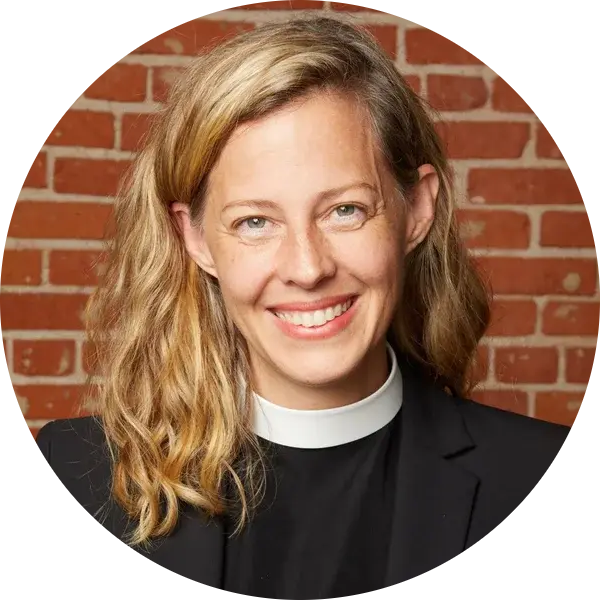
Rev. Megan Hollaway is Senior Advisor. She has over twenty years of experience working directly with young people in a variety of settings. Ordained in 2007, she served as Associate Rector for three years at Grace Church, Kilmarnock, Virginia. While there, she also served on the board of the local Boys and Girls Club, started a monthly community dinner at an apartment complex for elderly and low-income residents, and organized immersion trips and pilgrimages that allowed people to learn directly from peacemakers in American cities, Ireland, and the Holy Land. She has been with SLA since 2010. Megan received her Master of Divinity from Yale University in 2007. Before divinity school, she worked as a clinical social worker for three years in public mental health and private practice, specializing in trauma and family therapy. Megan received her Master of Social Work from Virginia Commonwealth University in 2000 and did her clinical internships in hospice and domestic violence. For four years, she lived and worked at Richmond Hill, an ecumenical and interracial religious community committed to healing the city of Richmond around issues of race, jurisdiction, and economics. In 2005, she studied at the Summer Peacebuilding Institute at Eastern Mennonite University, a graduate-level program in conflict transformation.
Take a minute to browse our stock:
Did you enjoy reading this article?
Please support Chacruna's work by donating to us. We are an independent organization and we offer free education and advocacy for psychedelic plant medicines. We are a team of dedicated volunteers!
Can you help Chacruna advance cultural understanding around these substances?
Become a Chacruna Member
To make a direct donation click the button below: