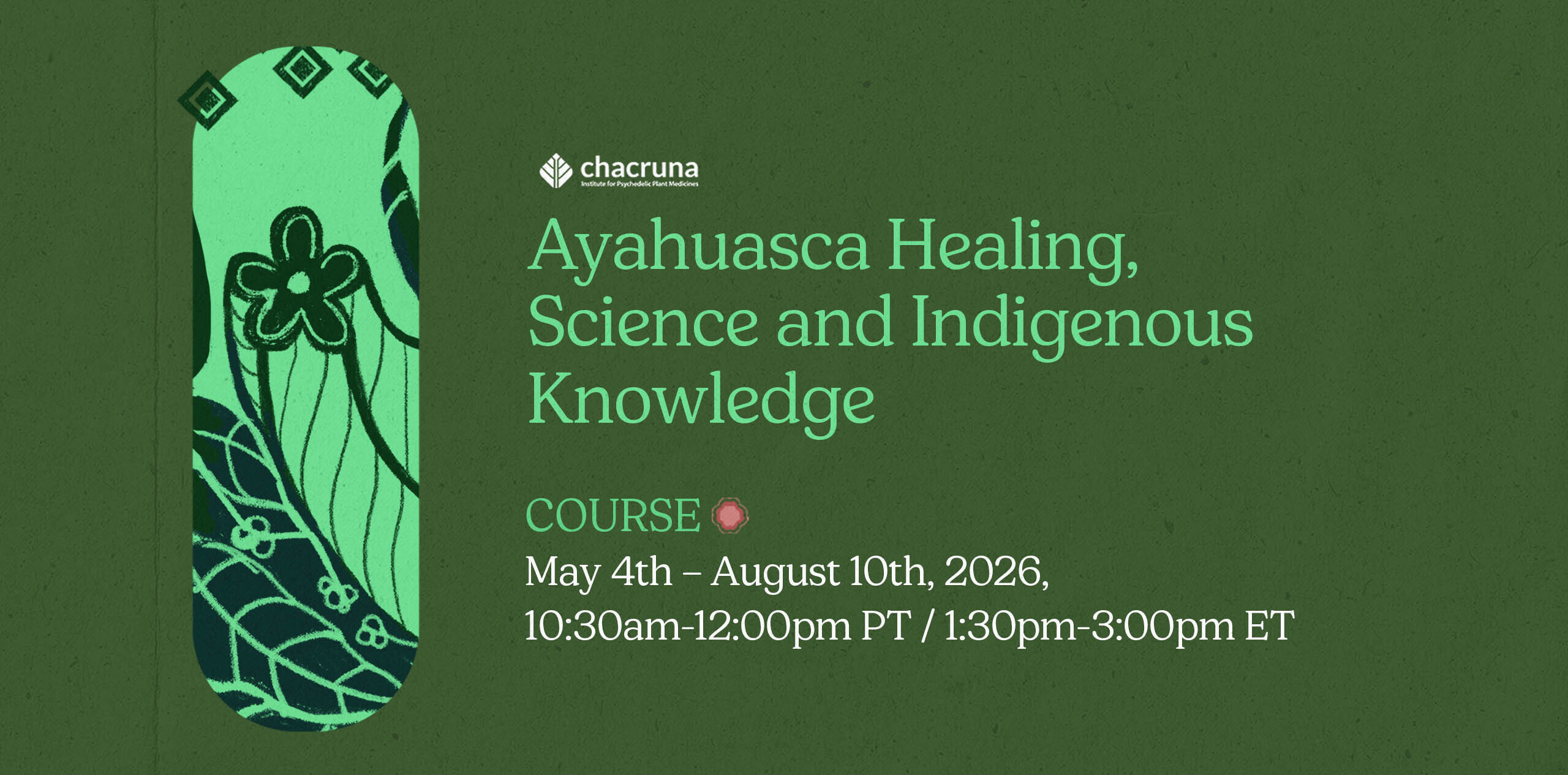

- Course: Ayahuasca Healing, Science and Indigenous Knowledge - February 10, 2026
- Course: The Science of Psychedelic Healing 2026 - February 9, 2026
- What does art have to offer to psychedelic therapy? - February 4, 2026
May 4th – August 10th, 2026, 10:30am–12pm PT /1:30pm–3pm ET
Do you wish you got into this event for free? Become a Chacruna member and receive free or discounted access to all Community Forums, Courses, Workshops, and more! Also get full access to our entire archive of past forum recordings and join our global network of psychedelic professionals and activists to dive deeper into discussion and discovery.
Price $950
CE Credits pending approval
This course will be taught by leading experts in the field of ayahuasca research and renowned Indigenous leaders. The goal of the course is to address the current challenges and new perspectives on the use of ayahuasca in a global context, not only from an academic standpoint but also drawing from Indigenous voices and their experience with ayahuasca. Students will be introduced to current issues on the internationalization of ayahuasca and its impacts. The course will address Amazonian traditional healing modalities; ayahuasca and Western psychotherapy, the commodification of ayahuasca;therapeutic and clinical research; conservation, environmental legislation and the legal framework of ayahuasca worldwide. This course will also be dedicated to honor the voices and experiences of Brazilian Indigenous leaders, addressing issues that are most dear to Indigenous communities that consecrate ayahuasca. Our Indigenous professors will explore the dilemmas posed by western civilization, such as exploitative extractivism, cultural appropriation, and the discredit of ancestral knowledge. They will also talk about ayahuasca shamanism and its role for the political, spiritual and cultural resistance of Indigenous Peoples. This innovative course will bridge the gap between academic and traditional knowledge, connecting the ceremonial use of sacred plants and psychedelic science. Following Chacruna’s tradition, this course will unite a community of kindred people to get together and exchange notes around the most complete and up-to-date debates on ayahuasca and its challenges in current times.
Course Structure
The format of the classes is hybrid, including a pre-recorded 1-hour lecture for students to watch on their own time and a 1.5-hour live Q&A and discussion session on Zoom with the professor. Coming into the discussion classes, students are expected to have watched the recordings and read the readings which are listed in the syllabus.
To read more on our recording policy for our trainings and answers to other frequently asked questions, please view our FAQ.
You can find more information about our Refund Policy here.
Classes
Click on the class to read the description
Class One – Introduction
Monday, 05/04/26, 10:30am–12pm PT / 1:30pm–3pm ET
Professors: Paula Bizzi Junqueira, M.A.
In this initial class, students will introduce themselves to others in the course, be introduced to the professors and their backgrounds, and gain an understanding of the curriculum and program. Students will leave with preparation for the following classes being taught and a general understanding of the topics that will be discussed throughout the course.
Class Two – Globalization of Ayahuasca and Decolonizing Psychedelic Science
Monday, 05/11/26, 10:30am–12pm PT / 1:30pm–3pm ET
Professor: Evgenia Fotiou
This class will discuss the globalization of ayahuasca focusing on some of the problematic aspects of Western engagement with ayahuasca shamanism. This engagement is usually based on idealized and romanticized notions of Indigenous shamanism and an inability to digest some of its more radical aspects. We will discuss how some of the traditional aspects of an ayahuasquero’s training have transformed through ayahuasca tourism, which has flourished in recent years. We will also discuss recent calls to “decolonize” the field of psychedelic science and reflect on insights from anthropological research with Indigenous peoples to these conversations. Anthropology has made significant contributions to the understanding of Indigenous knowledge systems and can offer insight on engaging meaningfully with Indigenous worldviews. In this class we will address the question of what psychedelic science can learn from Indigenous Knowledges, focusing particularly on ayahuasca shamanism. The class will argue that this can only be accomplished by abandoning the privileged position of the scientific paradigm and by including Indigenous peoples as equal partners to scientific inquiry. Decolonizing psychedelic science will allow multiple perspectives to coexist and contribute equally to our efforts going forward. In rethinking our methodologies and approaches there is much to gain both for psychedelic science but also for Indigenous peoples and other marginalized populations. Finally, we will discuss a more holistic approach to ayahuasca shamanism that acknowledges the current struggles and challenges that Indigenous peoples face.
Class Three – Ayahuasca Research Under Examination: Methodological, Therapeutic and Clinical Issues
Monday, 05/18/26, 10:30am–12pm PT / 1:30pm–3pm ET
Professor: Simon Ruffell
Ayahuasca has shown therapeutic potential when investigated in both controlled and field settings. To date, the majority of research into the ayahuasca brew has been observational, conducted in church and neo-shamanic settings. Although studies into ayahuasca generally present impressive outcomes, the majority are open label, and are prone to biases such as expectancy, and can be impacted by other confounding variables, such as community support (especially in church settings). Though controlled trials are currently gold standard in research, there are challenges when investigating ayahuasca regarding blinding the effects from participants and the ecological validity of lab-based studies. To address blinding difficulties, researchers have developed increasingly elaborate control conditions, from non-psychedelic, bitter tasting liquids that irritate the gastrointestinal lining to recreating ritualistic settings in which participants consume the control solution. Furthermore, controlled studies often “control” for many of the elements that may result in therapeutic benefit in field settings, leading to tensions between controlled and naturalistic biomedical research into ayahuasca. Additional tensions exist when considering the form of ayahuasca that is used. Clinical research often utilizes lyophilised or “freeze-dried” ayahuasca: capsulised powders made from the brew and given to subjects in clinical laboratories. Although such preparations allow for standardization and greater control over dosage, ingesting capsules does not provide the sensations typically encountered when consuming liquid ayahuasca, which may influence outcomes. In addition, many traditions emphasize the importance of cooking the brew in communicating with the spirit of the plant, with water being considered essential in this process. Various mechanisms of action have been proposed to account for the therapeutic effects of ayahuasca, including biological and psychological, as well as psychospiritual, which is rarely mentioned in academic literature. As research into ayahuasca continues and the potential for medicalisation increases, various therapeutic and ethical issues have arisen regarding practical applications of the brew. Such issues pertaining to ayahuasca tourism and the potential for interethnic collaboration in research and therapeutic application shall be discussed in this session.
Class Four – The Internationalization and Commodification of Santo Daime and the Ayahuasca Tourism from Brazil
Monday, 06/01/26, 10:30am–12pm PT / 1:30pm–3pm ET
Professor: Lígia Duque Platero
In this class, the instructor presents the historical development and internationalization of Santo Daime, also addressing its intersections with the expansion of Indigenous ayahuasca tourism in the state of Acre. The aim of the class is to critically examine issues related to the commodification of the daime/ayahuasca beverage in a global context as a result of this internationalization process, and to identify the impacts and transformations experienced by local communities. The class explores the formation of Santo Daime, its dissidences and branches, its expansion abroad, and the adaptations and innovations made in response to local realities. It also discusses the restrictions on access to the beverage in certain countries due to the prohibition of DMT, and the resulting implications for religious freedom. It further analyzes the expansion of ethnotourism – or ayahuasca tourism – in Acre from the 2010s onward, and its global alliances with Santo Daime. Within these historical processes of internationalization, the class explores the commodification of the daime/ayahuasca beverage through daimista missions abroad (comitivas) and the need to produce and ship daime to supply churches in other countries. In addition, the instructor addresses Indigenous urban rituals held in Brazil and abroad, carried out through Indigenous delegations and alliances between Indigenous and non-Indigenous people. The class offers a critical reflection on the effects of the commodification of daime/ayahuasca driven by this expansion, distinguishing between community-based uses of the beverage and a more entrepreneurial model of ayahuasca tourism. Finally, the class draws comparisons with the expansion of ayahuasca through Peruvian vegetalismo, highlighting both similarities and differences.
Class Five – Helping the Teacher Plants to Heal: Combining Ceremony and Psychotherapy in a Respectful Way
Monday, 06/08/26, 10:30am–12pm PT / 1:30pm–3pm ET
Professors: Bruno Ramos Gomes
In the current global resurgence of interest in psychedelics, a variety of substances and contexts have been identified as having the potential to help people with contemporary health issues. Beyond the various protocols being developed with psychedelics focusing on assorted disorders, how can we help patients integrate the diversity of plants, substances, and ritual contexts into their psychotherapy processes? This presentation will offer some answers based on a 15 years’ experience with harm reduction and psychotherapy in multiple contexts, as well as direct therapeutic work with ayahuasca and ibogaine in Brazil. We will explore ways of helping patients to deal with their experiences, both in modern psychedelic therapy settings and in ritual contexts with sacred plants. The therapist can work on different aspects of the patient’s relationship with the plant medicines and psychedelics by reducing risks from recreational use, understanding the particularities of each plant and each setting to provide expectations, and helping the patient understand their experience and bring concrete changes in their daily life. At this time, when it is possible to make contact with and experience such a wide variety of rituals and cosmologies, how can we take seriously the relationship of the patient with a living plant, or with spirits and entities, and integrate that into a respectful and fruitful process? How can we understand the therapeutic process beyond the effect of a substance, and consider the richness of each ritual setting? The presentation will propose that, using the acute and afterglow effects of plant medicines and psychedelics, as well as applied lessons from Amerindian cosmology and practices, it is possible to bring concrete changes in daily life and create healthier communities.
Class Six – From Environmental License to the License of the Spirits: Apurinã Cosmology in Times of Anthropocene
Monday, 06/15/26, 10:30am–12pm PT / 1:30pm–3pm ET
Professor: Francisco Apurinã
Through a journey into the cosmology of the Apurinã people, this class offers a reflection on the current scenario of sacred plant consumption in the western world and the consequent dilemmas of exploitative extractivism, cultural appropriation, and the epistemicide of ancestral knowledge. With a focus on the diverse territories of the Apurinã people and their relations with different types of shamanism and Apurinã pajés (spiritual elders), we will address uses of Indigenous medicines, Apurinã relationships with spirits, and Indigenous perspectives on ongoing climate change. We will begin this journey with the epic Apurinã journey from kairyku (stone house) to iputuxity (the other side of the sea), which brought about their permanence here on Earth. Then we will reflect on different worlds, lands, and ecosystems; spaces of knowledge, transmission, connection, balance, and management. In the second part of the class we will discuss the use of medicinal plants and two types of Apurinã shamanic practices to prevent and cure illness. The teacher will highlight two types of pajés: one who heals through chants, prayers, teas, and baths; and another who works with shamanic stones, which are introduced into the body during the initiation/learning process. Finally, the teacher will problematize the contemporary phenomena of climate change, global warming, and the Anthropocene, from the point of view of Apurinã cosmology.
Class Seven – Ayahuasca Conservation and the Environmental Legislation in Brazil
Monday, 06/22/26, 10:30am–12pm PT / 1:30pm–3pm ET
Professor: Anya Ermakova & Henrique Antunes
Considering the ecological impacts of the world ayahuasca diaspora, this presentation analyzes the issue of ayahuasca conservation and the development of environmental legislation on ayahuasca in Brazil. First, we will examine the ecology and conservation aspects of the ayahuasca vine. We will zoom into existing evidence for the shortages of wild-grown ayahuasca, investigate how much cultivation is happening and compare what we know about different countries where ayahuasca vine grows endemically or can be cultivated. We will also talk about the biology of the ayahuasca vine, in particular the ‘enigma’ of different varieties of ayahuasca. Next, we will focus on environmental legislation on the use of ayahuasca in Brazil and its controversies. This legislation has an innovative character that involved the establishment of a number of procedures to preserve the plant species in their natural habitat, as well as the provision of a series of guidelines for ayahuasca-using groups regarding the production of the brew. Despite the progressive approach towards extraction and commercialization by different groups in the Northern Amazonian states, we will show that this new environmental legislation ended up creating new forms of restriction and control of the practices of ayahuasca groups in Brazil, with special burdens on small urban churches and Indigenous groups.
Class Eight – How Can Ayahuasca Heal? Therapeutic Potentials and Risks
Monday, 06/29/26, 10:30am–12pm PT / 1:30pm–3pm ET
Professor: Bruno Ramos Gomes
Ayahuasca is used in a wide variety of contexts and with many purposes. An element that gains prominence in the Western world is the therapeutic effect. How may the effects of ayahuasca be therapeutic? Based on old and current studies, this class will explore in detail the varied phenomenology of ayahuasca effects, and how they are modulated by the context, mindset, and relationships that permeate its use. The class will also examine the effects of ayahuasca on consciousness, perception, emotions, and relationships and will provide a precise understanding of ayahuasca effects, as well as the main theories trying to explain its therapeutic role. We will also explore the risks involved in ayahuasca intake, and how to manage and reduce the risk of a problematic outcome. This class is based on the scientific studies on ayahuasca, but also on 15 years of practice of ayahuasca treatments with homeless people and in drug addiction treatments, in a wide diversity of contexts (mainly vegetalista and Brazilian contexts), and will present a few cases based on this experience.
Class Nine – Deconstructing Healing Culture: Medicalisation, Ontological Caricatures and the New Age
Monday, 07/06/26, 10:30am–12pm PT / 1:30pm–3pm ET
Professor: Adam Aronovich
Psychedelic experiences and psychedelic facilitation don’t happen in a vacuum. While there’s an overall increase in the awareness of the importance of set and setting, we rarely pay much attention to a critical component: the overarching discourse and narratives that condition experience, interpretation, meaning-making and integration. The recent ongoing medicalization of psychedelics and plant “medicines” have primed many facilitators and providers to align with a hyper-medicalised orientation. We use terms such as “medicines”, “healing” or “doing the work”, not always questioning the assumptions underlying these approaches. In this session we will talk about “Healing Culture” and examine the ideologies, narratives and politics that shape and envelop much of the “work” we do, often unconsciously. From New Age spirituality, Pop-psychology, the marketing of caricature-like versions of indigenous ontologies dressed as “ancestral wisdom”, conspiritual (conspiracy + spiritual) epistemologies and recreational paranoia and all the way to consumerism, loneliness, alienation and the hyper-individualism typical of neoliberalism and late-stage capitalism. We will see why its critical to expand our understanding of “Healing”, and shed light on the intrinsic links between individual and social health, cultural health and environmental health, and where we can draw inspiration from indigenous ontologies without romanticizing or idealizing them.
Class Ten – Drug, Religion or Culture? Controversies on the Regulation of Ayahuasca in Brazil and Internationally
Monday, 07/13/26, 10:30am–12pm PT / 1:30pm–3pm ET
Professors: Henrique Antunes
This presentation analyzes different regulation processes of the religious use of ayahuasca and its controversies. Initially, we present the Brazilian case, which regulated ayahuasca for religious purposes in the 1980s, and has an ongoing recognition process of the religious use of ayahuasca as intangible cultural heritage of Brazilian culture since the 2000s. Then, the focus shifts to different cases in which ayahuasca has been regulated or has been considered a controlled substance, such as the United States, and France. The comparison between the regulation of ayahuasca in Brazil and the way it is handled internationally by different nations will provide us an important background to understand the controversies and legal problems that arise once the use of ayahuasca leaves its native geographical context and inserts itself in different social, cultural and economical settings. From a dangerous drug to national cultural heritage, this comparative frame will also allow us to understand some of the dilemmas that democracies face currently, since they are called more and more to regulate religious affairs and practices.
Class Eleven – The Uni (Ayahuasca) and the Path of the Spirit: Traditional Knowledge of the Yawanawá Indigenous People (Acre, Brazil)
Monday, June 30th, 10:30am–12pm PST/1:30pm–3pm EST
Professors: Tashka Yawanawá and Edivaldo Muká Yawanawá
In this class, the professors will address the traditional knowledge of the Yawanawá indigenous people (Pano language, Acre) regarding uni (ayahuasca) and Yawanawá cosmology, as well as the importance of forest medicines in the lives of the Yawanawá people, the concept of yuxin (spirit) and how they relate to them, and the “rainbow”, which is the path of the spirit. These indigenous leaders will discuss the importance of alliances with the nawa (non-Indigenous), while emphasizing the concern of improper appropriation of their knowledge. They will guide students on how to develop reciprocal and beneficial collaborations between Indigenous and non-Indigenous people. Finally, the instructors will address some of the key points discussed at the 5th Indigenous Ayahuasca Conference, which took place in February of 2025 at the Sacred Village of the Yawanawá people, Rio Gregório Indigenous Land, in the municipality of Tarauacá, Acre, Brazil.
Class Twelve – The Botany of Banisteriopsis caapi, an Enigma
Monday, June 9th, 10:30am–12pm PST/1:30pm–3pm EST
Professors: Regina Célia de Oliveira
This class will explore the botanical diversity and complex folk taxonomy associated with ayahuasca, a ritual beverage now consumed worldwide. The lecture will present scientific advances in identifying the plant species involved in its preparation, focusing on Banisteriopsis caapi and its documented types among Brazilian religious groups. Topics will include morphological variation, the use of artificial intelligence, leaf morpho-anatomy, phytochemistry, and molecular tools in ongoing research and through detailed photographs and accounts of research carried out by the professor. The role of traditional knowledge in shaping academic botanical understanding will also be discussed, along with the importance of preserving the biodiversity associated with ayahuasca.
Class Thirteen – Siona Shamanism: Modes of Knowledge and Experience with Ayahuasca
Professor: Esther Jean Langdon
This session explores indigenous knowledge of ayahuasca through the perception and experience of the Siona indigenous peoples, a Western Tukanoan group occupying the middle Putumayo River in Colombia. Through an analysis of their classification system and examples of expressive culture inspired by their ayahuasca experiences, the professor argues that the effects of this substance are determined to a great extent by the set and setting in which it is ingested. These findings demonstrate the limitations of clinical research that seeks to discover the universal effects of ayahuasca. Siona knowledge differs from Western “science” in that it does not depend solely on observation of experimental results in which context is eliminated. Siona knowledge is founded on centuries of experimentation, observation and experience in a relational universe with non-humans. Their preparation and ingestion of ayahuasca is not based upon primordial knowledge, but upon an epistemological system that is passed down orally through narrative, art and experience.
Class Fourteen – Conclusion
Monday, 08/10/26, 10:30am–12pm PT / 1:30pm–3pm ET
Professors: Paula Bizzi Junqueira
In this final class, we will strive to summarize everything taught throughout the course. In doing so, we will recap the main concepts, highlight the main moments, and give folks a chance to voice any significant takeaways about the topics discussed. We will also do a critique of the course and think of ways to improve it for future teachings.
Professors
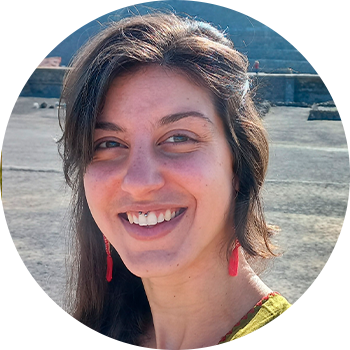
Paula Bizzi Junqueira is a Brazilian anthropologist with a master’s degree from the Center for Research and Higher Studies in Social Anthropology (CIESAS Southeast, Mexico) with a focus on medical anthropology, along with a BA from the University of Brasília (UnB, Brazil). She has carried out research on healing practices with yagé (ayahuasca) in Colombia and the contemporary landscape of peyote in Mexico. She has coordinated the editorial committee of Áltera, a scientific journal produced by the postgraduate program in anthropology of the Federal University of Paraíba (Brazil). Her research addresses the intersections between health and spiritual practices, encompassing themes such as shamanism, relational ontologies, spiritual disciplines and mental health. Paula is Chacruna’s Education Program Assistant and is currently living in Bogotá.
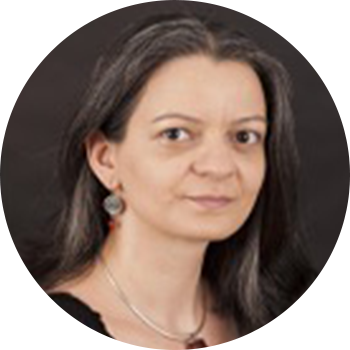
Evgenia Fotiou is a cultural anthropologist researching Indigenous Knowledge Systems, which often encompass both medical and religious knowledge. Specifically, she looks at how these systems get appropriated and reimagined as they become globalized. She has a Ph.D. in cultural anthropology and Latin American studies from the University of Wisconsin-Madison, where she completed doctoral research on Ayahuasca shamanism in Peru and its transformation through globalization and the formation of transnational tourist networks. Dr. Fotiou is an expert in medical anthropology, anthropology of religion, shamanism, Amazonian cultures, and gender and has taught courses on these subjects at UW-Madison, Luther College, and Kent State University. Her current work urges scholars of all disciplines to reexamine assumptions about Indigenous Knowledge Systems and to engage meaningfully with non-Western epistemologies

Simon Ruffel studied medicine before specialising in psychiatry. He completed his core psychiatric training at The Maudsley Hospital in London and worked at King’s College London as a Senior Research Associate investigating the use of psilocybin for treatment resistant depression. Since 2016 he has conducted research into the traditional psychedelic brew ayahuasca and co-founded the not-for-profit research organisation Onaya Science. Simon completed his PhD entitled Amazonian Ayahuasca and Mental Health Outcomes at Goldsmiths, University of London. He now works for the Psychae Institute, University of Melbourne as Senior Research Fellow and Chief Medical Officer, running randomised controlled trials investigating the potential therapeutic application of botanical ayahuasca analogues as well as acting as Chief Medical Officer for Heroic Hearts UK, a charity supporting veterans with psychedelic plant medicine. In his spare time Simon volunteers for the charity Psycare, which offers support to individuals undergoing challenging drug experiences at music festivals.
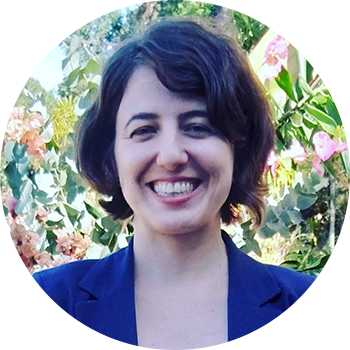
Lígia Duque Platero is Chacruna’s Education Program Associate. She is a queer, cisgender Brazilian woman. She has an interdisciplinary background in history, anthropology and Latin American studies. She holds a bachelor’s degree in history (2005) and a history teacher training qualification (2006) from the University of São Paulo (USP), in Brazil. She has a master’s degree in Latin American Studies from the National Autonomous University of Mexico (UNAM – 2012) in Mexico City, addressing public policies in relation to Indigenous peoples and Indigenous education in Brazil and Mexico from the 1940s-1970s. She has a doctorate in humanities, with an emphasis on cultural anthropology (2018), from the Federal University of Rio de Janeiro (UFRJ), in Brazil. Her PhD looked at the cultural transformations and exchanges amid the alliance between the Yawanawá Indigenous people and an urban church of Santo Daime. Her main research focus areas are: ayahuasca, Santo Daime, sacred plants, shamanic tourism, Yawanawá (Pano) people, Indigenous policies and human rights in Brazil and Mexico. She is a research associate at the Interdisciplinary Group for Psychoactive Studies (NEIP) and at the Laboratory for the History of Religious Experiences (UFRJ/IFCS) in Brazil.
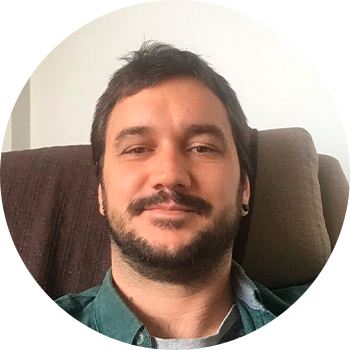
Bruno Ramos Gomes is a Brazilian psychologist, with a Master’s degree in Public Health at the School of Public Health-USP, and a PhD in Public Health at University of Campinas, Brazil. In his masters, he researched the use of ayahuasca in the recovery of homeless people and drug users. In his PhD, he did a 12 month qualitative follow-up of patients treating drug dependence and depression. He has been helping patients integrate ibogaine and ayahuasca in their therapeutic processes for the last 12 years. He is a member of the ICARO (Interdisciplinary Cooperation for Ayahuasca Research and Outreach)-UNICAMP and Chacruna’s Ayahuasca Community Committee.
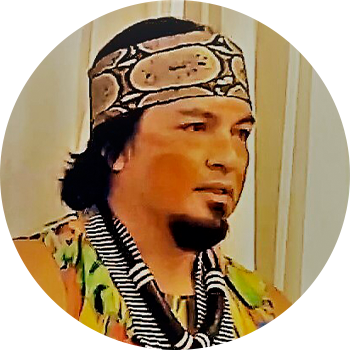
Francisco Apurinã Ywmuniry holds a master’s degree in sustainable development (University of Brasilia), and a PhD in social anthropology (University of Brasil). He is also an environmental educator and president of the Pupykary Institute, an entity made up only of indigenous professionals from the Apurinã people.
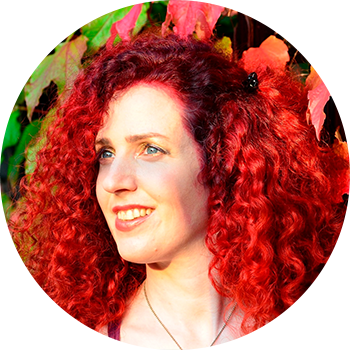
Anna (Anya) Ermakova has a motley background and broad research interests combining nature conservation, ethnobotany, neuroscience and psychiatry, interweaving and connecting these diverse paths through psychedelic science. Anya worked at the forefront of psychedelic research as a science officer at the Beckley Foundation, and has provided psychedelic welfare and harm reduction services with PsycareUK and Zendo. Deep love for nature and wildlife has motivated Anya to study biology at the University of Edinburgh, while a quest to understand altered states of consciousness has prompted her to specialize in neuroscience and later continued during her PhD in psychiatry at Cambridge, where she investigated the origins of psychosis. She then worked for the NHS, developing and trialing a new psychosocial intervention for psychosis. After a brief stint as a clinical trial manager, she had decided to pursue her passion for nature, by studying Conservation Science at Imperial College London, where she researched peyote ecology in Texas, USA. Anya is working as a research consultant in London, is a member of the Board of Directors of the Chacruna Institute for Psychedelic Plant Medicines, and member of Chacruna’s Council for the Protection of Sacred Plants. She is also a board member of the Cactus Conservation Institute.
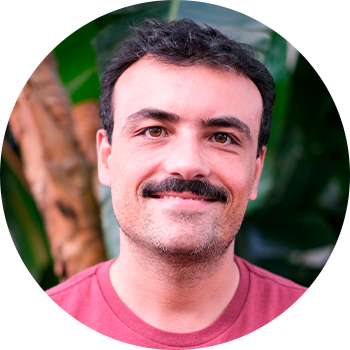
Dr. Henrique Fernandes Antunes has a Ph.D. in anthropology from the University of São Paulo (2019), with a research internship as a visiting scholar at the University of California, Berkeley. He was a postdoctoral fellow at the Centre d’Étude des Mouvements Sociaux (CEMS) of the École des Hautes Études en Sciences Sociales (EHESS), at the Department of Classics and Religious Studies of the University of Ottawa, and at the International Postdoctoral Program of the Brazilian Center of Analysis and Planning (CEBRAP). He holds a master’s degree in anthropology from the University of São Paulo (2012), and a bachelor in social sciences (2006) and anthropology (2008) from the Universidade Estadual Paulista Júlio de Mesquita Filho (UNESP-FFC). He is a member of the research group Religion in the Contemporary World at the CEBRAP. He is also a researcher at the Interdisciplinary Group for Psychoactive Studies (NEIP). Dr. Antunes specializes in the fields of urban anthropology, anthropology of religion, anthropology of secularism, and sociology of public problems. He is Ayahuasca Community Committee Coordinator at the Chacruna Institute for Psychedelic Plant Medicines.
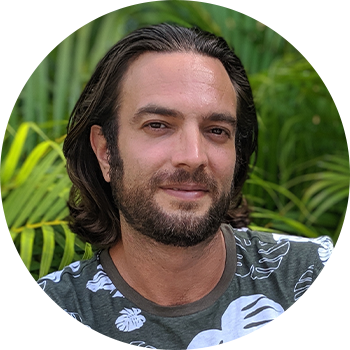
Adam Aronovich is a doctoral candidate in Anthropology and Communications at Universitat Rovira i Virgili in Catalonia, focusing on Medical Anthropology and Cultural Psychiatry. He is an active member of the Medical Anthropology Research Center (MARC) and has spent close to 5 years living and working in the Peruvian Amazon, conducting extensive fieldwork and qualitative research in collaboration with ICEERS, the Beckley Foundation, and, more recently, the Centre for Psychedelic Research at Imperial College. Beyond research, Adam has facilitated healing retreats and workshops in the Peruvian Amazon and, currently in Mexico. He is also a process facilitator and provides preparation and integration support in private practice and the co-founder and COO of Hidden Hand Media, a creative agency in the space of transformation and technology. Additionally, Adam is Media Associate for the Chacruna Institute for Psychedelic Plant Medicines.
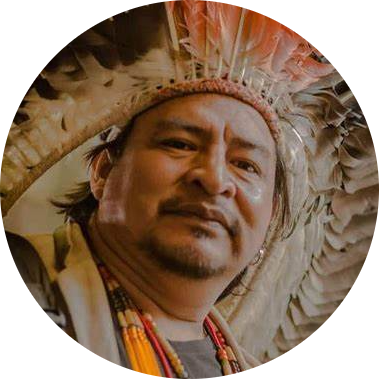
Tashka Yawanawá is chief of the Yawanawá people in Acre, Brazil. As chief, he leads 900 people stewarding 400,000 acres of Amazon rainforest in Brazil. The son of the former leader of the Yawanawá, Tashka grew up witnessing the virtual enslavement of his people by the rubber industry and experiencing the near annihilation of the tribe’s culture by missionaries. Since the 1980s, Tashka has actively fought for the rights of indigenous peoples. Realizing that he needed further education to improve the situation of the Yawanawá, he pursued higher education in the U.S. and abroad. He was directly involved in the creation of the Indigenous Lawyers Association and co-founded the Indigenous and Non-Indigenous Youth Alliance, through which he shares the experiences and knowledge of the Yawanawá with youth around the world and works with projects that guarantee the preservation of different indigenous cultures. In 2001, Tashka returned to Brazil, and chose to use the knowledge gained from his experiences abroad to help his people transform their future. He became the youngest Chief in the history of the Yawanawá at age twenty-five. In a short amount of time, Tashka and her wife Laura have managed to double the extent of Yawanawá territory, reinvigorate Yawanawá culture, and establish economically and socially empowering relationships with the outside world. Tashka and Laura have two daughters—Kenemani and Luna Rosa—and divide their time living and working in the Yawanawá community and Rio Branco, Brazil. Tashka studied philosophy and the Yawanawá traditional diets.
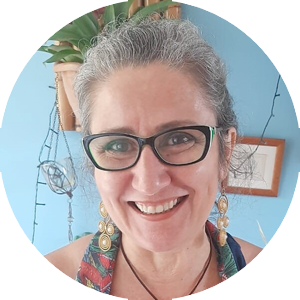
Dr. Regina Célia de Oliveira holds a bachelor’s degree in Biological Sciences from the Federal University of Juiz de Fora (UFJF – 1992), a master’s and doctorate in Plant Biology from the State University of Campinas (UNICAMP – 2005), and a post doctorate from the Royal Botanic Gardens Kew (KEW GARDENS – 2014). She is currently an associate professor at the University of Brasília (UnB), where she supervises master’s and doctoral students in the Graduate Program in Botany (PPGBOT). She has experience in the field of Botany, with an emphasis on Plant Taxonomy, working mainly on the following topics: Paspalum, Mesosetum, Poaceae, Gramineae, Banisteriopsis, Malpighiaceae, chromosome number, meiosis, anatomy, Cerrado, and Caatinga. She is currently involved in ethnobotanical work. She was curator of the UB Herbarium from 2020 to 2024. She is serving her second term as Deputy Coordinator of PPGBOT.
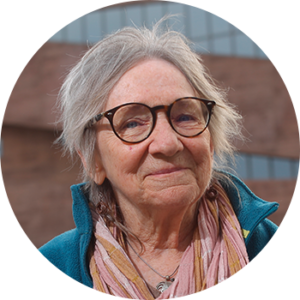
Esther Jean Langdon (Ph.D. Tulane University 1974) is a CNPq researcher and coordinator of the National Institute of Research: Brazil Plural – IBP (CNPq/INCT). She retired as full professor from the Graduate Program in Social Anthropology of the Federal University of Santa Catarina in 2014 and continues as advisor and voluntary professor. Currently she is visiting scholar at the Colegio de San Luís Potosí, Mexico, offering seminars on shamanism and the anthropology of health, two of her primary research themes. She is author of a multitude of articles related to the politics and poetics of the yajé (ayahuasca) experience and shamanic narratives. Retirement has enabled her to return regularly to the Putumayo for collaborative research in linguistic revitalization as well as to participate in contemporary yajé (ayahuasca) rituals and observe the transformations of Siona shamanism as a response to decades of armed violence and capitalistic exploitation of their territory.
Take a minute to browse our stock:
Did you enjoy reading this article?
Please support Chacruna's work by donating to us. We are an independent organization and we offer free education and advocacy for psychedelic plant medicines. We are a team of dedicated volunteers!
Can you help Chacruna advance cultural understanding around these substances?
Become a Chacruna Member
To make a direct donation click the button below: