
It’s About: Researching Whiteness
In a thought-provoking study published in the special issue, authors explored the complexities of privilege and societal norms within classroom discussions, shedding light on the challenges associated with discussing sensitive topics such as race and gender. The study revealed how certain subjects, particularly race, are often met with discomfort or resistance by White students, while societal norms grant intersection-specific, special deference to White women, influencing their behavior in academic settings.
The findings underscore the pressing need for creating inclusive and equitable classroom environments conducive to learning. Strategies outlined in the study include encouraging students to engage in discussions about privilege without defensiveness, prioritizing the voices of marginalized groups, and fostering empathy and understanding across diverse perspectives. Additionally, the study highlights the importance of faculty intervention to address disruptions and correct misconceptions during discussions.
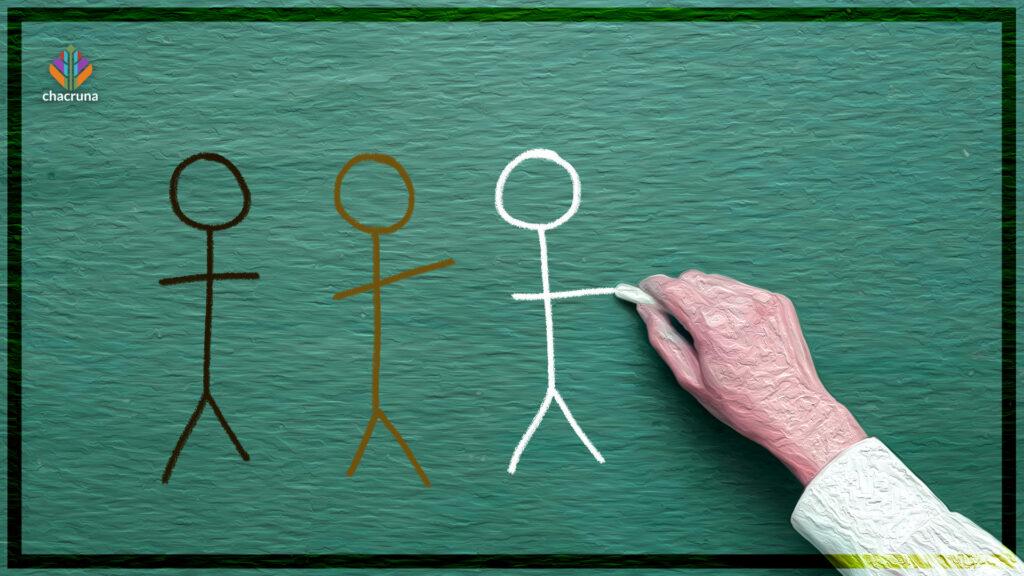
Everyone is socialized into a race.
How to study a taboo? – Discussions about whiteness may be perceived as uncomfortable or challenging, particularly for individuals who may not have critically examined their own racial identity or privilege.
The research emphasizes the need for further exploration of societal sensitivities surrounding race and privilege, particularly the impact on classroom dynamics and academic discourse. By challenging these norms and fostering open dialogue, educators can create spaces where all voices are heard and valued, ultimately promoting equity and allyship among students.
In conclusion, the study underscores the importance of dismantling societal sensitivities and promoting inclusive discussions in academic settings. By addressing privilege and equity head-on, educators can empower students to engage critically with complex issues and contribute to building a more just and equitable society.
Note: This series highlights articles from the recently published special issue of Frontiers in Psychology, “Power, Discrimination, and Privilege in Individuals and Institutions,” edited by Sonya Faber, Monnica T. Williams, Matthew D. Skinta, and Bia Labate.
Faber, Naomi S. & Williams, Monnica T. (2023). The intersection of race and femininity in the classroom. Frontiers in Psychology 14. https://doi.org/10.3389/fpsyg.2023.1139320
Art by Mariom Luna.
Discover the Indigenous Reciprocity Initiative of the Americas