There is no ethnographic record of Indigenous use of the psychedelic in the animal’s secretion
The substance is used in ceremonies by some Indigenous peoples, but only in the form of snuffs
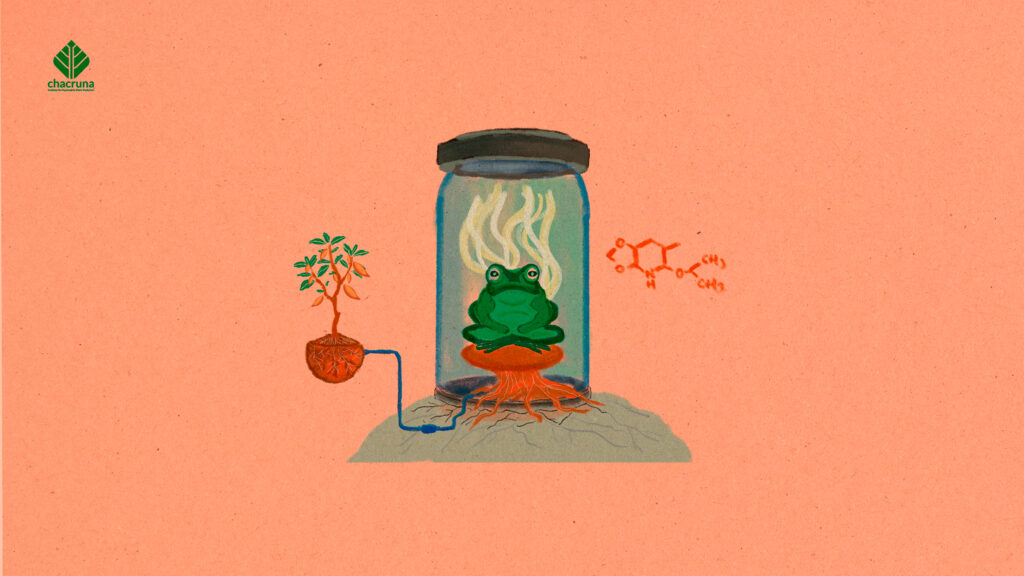
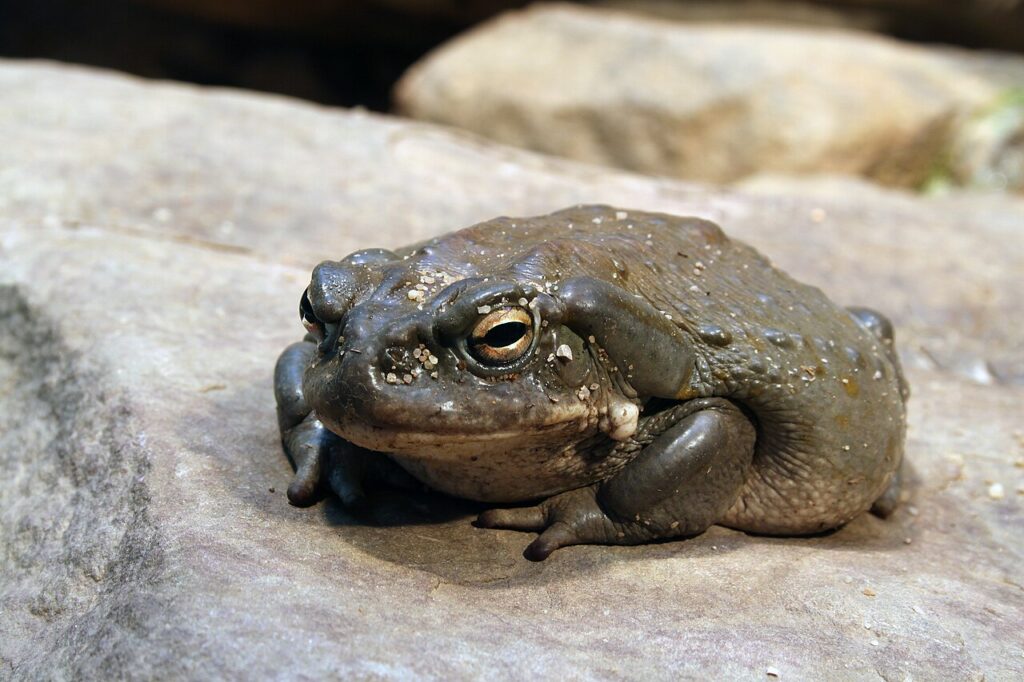
One of the elephants in the VIP lounge of the psychedelic renaissance is a toad, Incilius alvarius. The substance 5-MeO-DMT, a.k.a. “toad medicine,” is at the center of an ancestral tradition manufactured to satisfy the Indigenous romanticization of sacred medicines against the spiritual misery of the present world.
I thank Brazilian psychologist Bruno Ramos Gomes for pointing out to me the article by Ana Maria Ortiz Bernal, Charles Raison, and collaborators in the journal Psychedelics. The text reconstructs the fascinating transmutation path of a substance synthesized in 1936 into a millenary practice of the Comcáac people of Sonora, northwestern Mexico, also known as the Seri.
Before unraveling the thread with Ortiz and Raison, some context about 5-MeO-DMT. Although it was produced in the 1930s in a laboratory by Japanese chemists, the compound is also present in the defense glands of the Sonoran Desert Toad, or Colorado River Toad (I. alvarius, formerly known as Bufo alvarius), as was verified in 1965.
This consciousness-altering substance does not produce strong visual manifestations, unlike other classic psychedelics such as mescaline, LSD, DMT from ayahuasca, or psilocybin from mushrooms. It gained popularity among psychonauts starting in 1984, the year Ken Nelson smoked the secretion and wrote a pamphlet about the experience.
The substance’s effect was described in a scientific article by Wade Davis and Andrew Weil in 1992. It manifests in seconds and lasts about 20 minutes, which also differs from the classics, whose trips can last from four to ten hours.
It wasn’t just psychonauts who were enthusiastic about the transcendence it provided, as its therapeutic potential also captivated the attention of investors in psychedelics for treating mental disorders. This is the case of the British company Beckley PsyTech, now AtaiBeckley, which seeks patents and licenses for its version of a brief treatment against depression.
Finally, 5-MeO-DMT has a traditional use in the form of snuffs prepared by Indigenous people of Central and South America with seeds of Anadenanthera peregrina or with the sap of Virola theiodora. There is no ethnographic record of the ceremonial consumption of the toad secretion among traditional peoples, although the practice of smoking the “sacred medicine of the toad” spread all over the globe.
The article by Ortiz and Raison traces this lucrative fable back to 2011, when a Comcáac community created the OTA.C Foundation (“otac” in their language is a general term for toad, later converted in a noun for the supposed ancestral entheogen). The use of the secretion had been introduced to combat the growing methamphetamine abuse among young people in the group, according to the paper.
The legend of the Comcáac’s ancestral custom was propagated in works such as the book The Toad of Dawn (2016), by Octavio Rettig Hinojosa, and the documentary OTAC & the Ancient Sacred Medicine Ceremony (2019), by Leonardo Bondani. The consumption of the toad’s venom became popular, the species is threatened in certain regions, and a kilogram of the secretion can cost US$50,000 on the international entheogenic market. OTA.C began issuing permits for “authentic” ceremonies for US$500, write Ortiz and Raison.
Discover the Indigenous Reciprocity Initiative of the Americas
Ancestralization is one thing, fabrication of ancestry is another. In the first case, the story of the Yudja (Juruna) people of the Xingu River fits well, among other mythical narratives of transformation. They recently began consuming ayahuasca and contemplated it in reconditioned myths as a medicine that had been lost when ancestors abandoned their original territory after a mythical flood.
Even among ayahuasca-using peoples of the Amazon rainforest, there will be those who have acquired or resumed the use of the beverage recently, in their struggle to rebuild their own culture decimated by colonial genocide. This is how traditional societies reinvent themselves and survive; all is normal.
“One could argue ethical misconduct in the construction of a narrative seeking legitimacy for a commercial activity that responds to the desire of wealthy consumers for Indigenous wisdom to sweeten their psychedelic experiences.”
In the second case, one could argue ethical misconduct in the construction of a narrative seeking legitimacy for a commercial activity that responds to the desire of wealthy consumers for Indigenous wisdom to sweeten their psychedelic experiences. This is one of the many distortions and abusive cultural appropriations engendered in the booming global neo-shamanic market.
P.S.: After publishing the blog post above in Portuguese, it came to my attention that Chacruna Chronicles had published eight years ago an article by Ali Cortina raising the same kind of controversies around Incilius alvarius, followed up a few months later by the author in another article alerting to claims without theoretical, or historical support. None of this work has been included among the references of the paper in Psychedelics.
Artwork by Michelle Velasco.