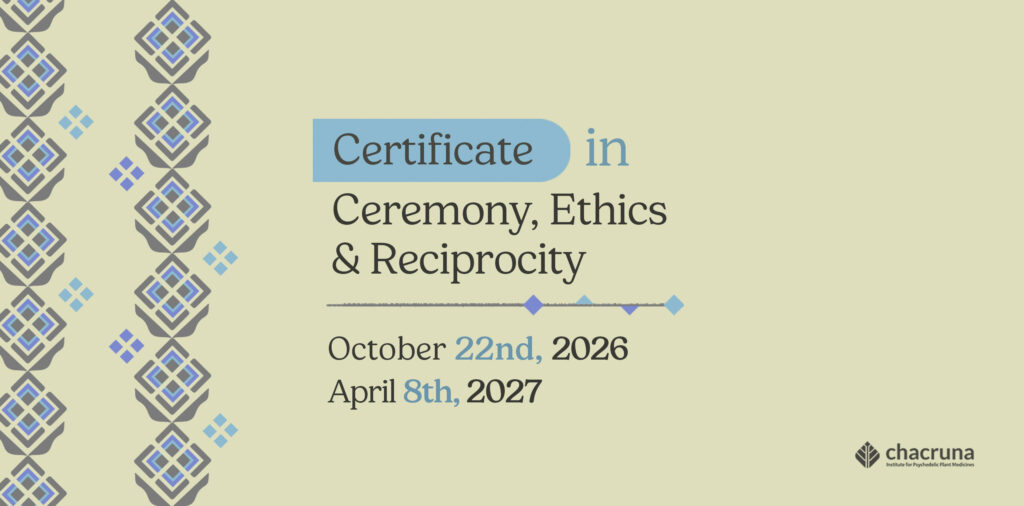
October 22nd, 2026 – April 8th, 2027
Live Virtual Sessions take place on Thursdays at 10:30am-12pm PT/1:30pm-3pm ET.
CEs Offered: TBD
Ticket Prices
Tuition + in-person component*: $2000
Tuition (not including in-person component): $1800
Tuition for folks from the Global South: $700
Enrollment is now open for the 2026-27 Certificate in Ceremony, Ethics, & Reciprocity, an unparalleled educational program for ceremonial leaders and psychedelic facilitators seeking to deepen their knowledge and foster ethical, justice-informed practices.
What’s This Program About?
This certificate is a 5-month, 60-hour journey designed for those already facilitating or assisting in ceremonies, aiming to create a safer, more equitable, and informed space for plant medicine practices. It focuses on reducing risks, strengthening community accountability, and cultivating skills for ethical ceremonial leadership outside of traditional Indigenous contexts.
Whether you’re looking to refine your skills, gain new insights, or build bridges between ceremony and psychedelic therapies, this program provides the tools to make a meaningful impact in your community.
*This certificate does not qualify students as ceremonial leaders, facilitators, or shamans. Instead, it provides foundational education in connection, ethics, safety, and ongoing learning for those involved in psychedelic plant medicine ceremonies, whether as leaders, facilitators, guides, or participants.
What’s Included?
- Comprehensive Educational Program
From October 2026 to April 2027, participate in online weekly live discussions combined with readings and asynchronous lectures from Chacruna’s network of expert faculty. Highlights include:- Free participation in ethics-based Community Forums
- Required in-person gathering featuring ethical case reviews and attendance at the Psychedelic Culture 2027 Conference (PCU27) in San Francisco on March 12 and 13, 2027 (conference ticket costs included in the Tuition + In-person Component ticket price).
- Optional in-person gathering featuring a meetup with students and faculty of the program and attendance at the Psychedelic Culture 2027 Conference (PCU27) in San Francisco on March 12 and 13, 2027 (conference ticket costs included in the Tuition + In-person Component ticket price).
- Experiential Approach
Dive into practical, skill-based learning. Engage in activities, projects, simulations, and real-world experiences designed to foster critical thinking, problem-solving skills, creativity, collaboration, and personal growth. - Integration Sessions
A safe space for discussing questions and concerns in sessions that will promote active listening, provide constructive feedback and sensitive experiences, share knowledge, and encourage self-reflection.
What Will You Learn?
The program covers five core areas essential for ethical plant medicine facilitation:
- Ethical Principles and Guidelines
- Safety and Risk Reduction
- Racial Justice & Reciprocity
- Legal Considerations
- Right Use of Power & Prevention of Sexual Misconduct
Tuition and Scholarships
- Tuition Ticketing Prices:
- Tuition + in-person component: $2000 (participants are responsible for travel and accommodation for in-person component).
- Tuition (not including in-person component): $1800
- Tuition for folks residing in the Global South: $700
- Scholarships: Ample opportunities are available for underrepresented communities and BIPOC participants to ensure accessibility.
Who Should Enroll?
This program is designed for ceremonial leaders, facilitators, and practitioners who are already active in their communities and seeking to:
- Deepen their ethical knowledge.
- Build connections with other leaders and experts in the field.
- Cultivate skills for safer, justice-informed practices.
Why This Certificate Matters
This initiative bridges the ceremonial and therapeutic worlds, integrating traditional wisdom, psychedelic science, and best practices for creating informed, ethical spaces. By fostering a robust framework of self-regulated accountability, the program supports a safer environment not just for facilitators but for participants and the wider community.
Ready to take your practice to the next level? Prepare to join an inspiring cohort of leaders and changemakers and stay tuned for more details on CE credits soon!
Calendar
| # | Date | Class Title | Facilitator | Hrs | |
|---|---|---|---|---|---|
| 1 | Oct 22 | Overview of the Course, Presentations and Intercultural EthicsIntroduction | Henrique Antunes & Ligia Duque Platero | 1.5h | |
| 2 | Oct 29 | Encounter and Intro to Ethical FacilitationExperiential | Speaker TBA | 2.5h | |
| 3 | Nov 5 | Navigating Discourse: Understanding the Narrative Dimensions of the Set and SettingLecture | Adam Aronovich | 2.5h | |
| 4 | Nov 12 | Helping the Teacher Plants: Preparation and Integration for CeremoniesLecture | Bruno Ramos Gomes | 2.5h | |
| 5 | Nov 19 | Safety and Harm Reduction in Religious and Ceremonial SettingsLecture | Henrique Antunes & Speaker TBA | 2.5h | |
| 6 | Dec 3 | Psychedelic Benefit Maximization, Harm Reduction and Drug-Drug InteractionsLecture | Anya Ermakova | 2.5h | |
| 7 | Dec 10 | Health, Safety Protocols and Screening ProcessExperiential | Henrique Antunes & Bruno Ramos | 1.5h | |
| 8 | Dec 17 | Integration Session IIntegration | Students & Jennifer Jones | 1.5h | |
| — End of Year Break — | |||||
| 9 | Jan 7 | Race and Power: Exploring Systemic Oppression and Healing the Racial DivideLecture | Nick Powers | 2.5h | |
| 10 | Jan 14 | Racial Justice in Psychedelic-Assisted TherapyLecture | Jennifer Jones & Aisha Mohammed | 2.5h | |
| 11 | Jan 21 | Decolonizing Indigenous Reciprocity in the Psychedelic SpaceLecture | Osiris Garcia Cerqueda | 2.5h | |
| 12 | Jan 28 | Cultural Exchange, Appropriation and Reciprocity — Huni Mêka: Traditional Huni Kuin SongsExperiential | Rita Huni Kuin | 1.5h | |
| 13 | Feb 4 | Ethics and Accountability in Plant Medicine FacilitationLecture | Speaker TBA | 2.5h | |
| 14 | Feb 11 | Legal Considerations Regarding Ceremonies, Ethics, and ReciprocityLecture | Victoria Cvitanovic | 2.5h | |
| 15 | Feb 18 | Integration Session IIIntegration | Students | 1.5h | |
| 16 | Feb 25 | Sexual and Gender Issues in the Practice of Plant Medicine FacilitationLecture | Clancy Cavnar | 2.5h | |
| 17 | Mar 4 | Navigating Complexity: Desire, Consent, and Sexual Boundaries in CeremonyExperiential | Dee Dee Goldpaugh | 2.5h | |
| 18 | Mar 11 | In-Person Component / Orientation at PCUExperiential | Ligia Duque Platero | 3.0h | |
| — Post-Conference Break — | |||||
| 19 | Mar 25 | Special PCU Integration SessionIntegration | Students | 1.5h | |
| 20 | Apr 1 | Ceremonial Closing, Imagination WorkExperiential | Speaker TBA | 1.5h | |
| 21 | Apr 8 | Recap of Main Concepts and Sharing of Significant TakeawaysClosure | Henrique Antunes & Ligia Duque Platero | 1.5h | |
| Total program hours: | 45h | ||||

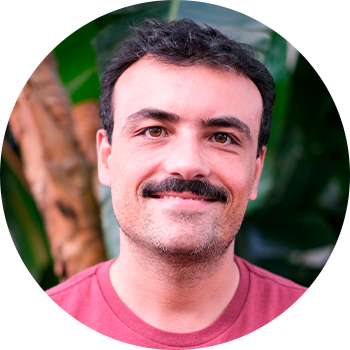
Dr. Henrique Fernandes Antunes holds a Ph.D. in anthropology from the University of São Paulo (2019) and has conducted research as a visiting scholar at UC Berkeley. He earned an M.A. from the same institution in 2012 and a B.A./B.Ed. in social sciences from São Paulo State University (UNESP-FFC) in 2008. His postdoctoral work includes positions at the Centre d’Étude des Mouvements Sociaux (CEMS) at EHESS, the University of Ottawa’s Department of Classics and Religious Studies, and the International Postdoctoral Program at the Brazilian Center of Analysis and Planning (CEBRAP). Dr. Antunes is a member of CEBRAP’s Religion in the Contemporary World research group and is Research Coordinator at the Chacruna Institute for Psychedelic Plant Medicines. He is also a researcher at the Interdisciplinary Group for Psychoactive Studies (NEIP) and a Flourish Fellow at UC Berkeley’s Center for the Science of Psychedelics. His research delves into the regulation of ayahuasca both in Brazil
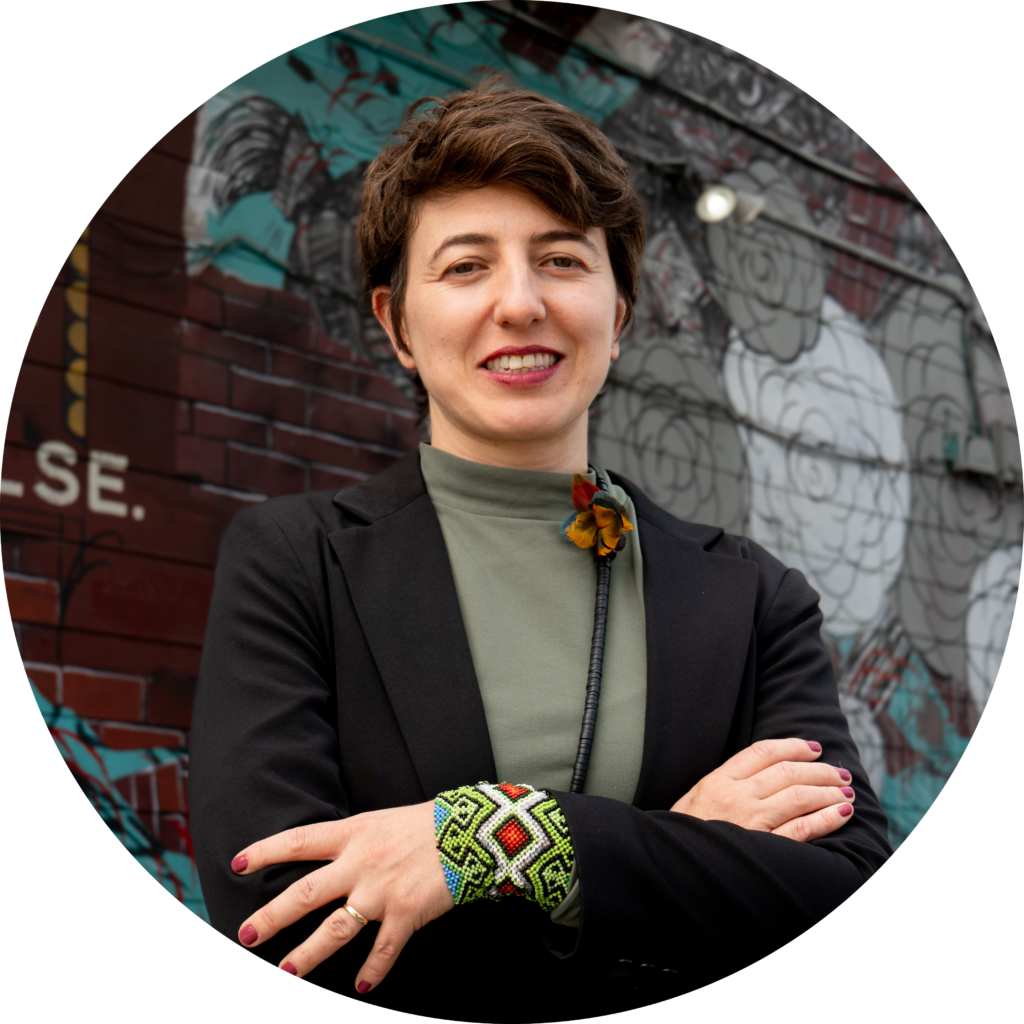
Lígia Duque Platero is the Education Program Associate at the Chacruna Institute for Psychedelic Plant Medicines. She is a queer Brazilian woman based in Rio de Janeiro and the mother of a young child. She holds a PhD in Cultural Anthropology (2018) from the Federal University of Rio de Janeiro (UFRJ) and completed a postdoctoral fellowship in Anthropology (2021) at Fluminense Federal University (UFF) through the Center for Research on Psychoactive Substances and Culture (PSICUCULT). She earned an MA in Latin American Studies from the National Autonomous University of Mexico (UNAM, 2012), in Mexico City, and a BA in History (2005) plus a teaching credential in History (2006) from the University of São Paulo (USP), Brazil. She is the author of Virando indígenas, virando Yawanawás (Becoming Indigenous, Becoming Yawanawá; Mercado de Letras/Chacruna Institute, in press). She is also research associate at the Interdisciplinary Group for Psychoactive Studies (NEIP). Her research and publications address ayahuasca networks in forest and urban contexts, Amazonian “forest medicines,” cultural transformations, ritual, Santo Daime, the Yawanawá (Pano) people, intersectionality, queer issues, and Indigenous rights.
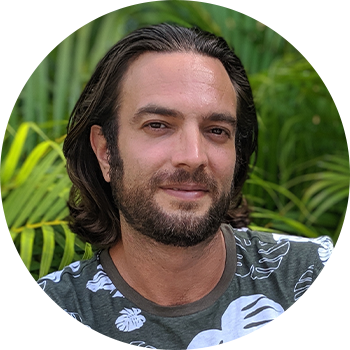
Adam Aronovich is a doctoral candidate in Anthropology and Communications at Universitat Rovira i Virgili in Catalonia, focusing on Medical Anthropology and Cultural Psychiatry. He is an active member of the Medical Anthropology Research Center (MARC) and has spent close to 5 years living and working in the Peruvian Amazon, conducting extensive fieldwork and qualitative research in collaboration with ICEERS, the Beckley Foundation, and, more recently, the Centre for Psychedelic Research at Imperial College. Beyond research, Adam has facilitated healing retreats and workshops in the Peruvian Amazon and, currently in Mexico. He is also a process facilitator and provides preparation and integration support in private practice and the co-founder and COO of Hidden Hand Media, a creative agency in the space of transformation and technology. Additionally, Adam is Media Associate for the Chacruna Institute for Psychedelic Plant Medicines.
Bruno Ramos Gomes is a Brazilian psychologist, with Master’s degree in Public Health at the School of Public Health-USP, and a PhD in Public Health at University of Campinas, Brazil. In his masters, he researched the use of ayahuasca in the recovery of homeless people and drug users. In his PhD, he did a 12 month qualitative follow-up of patients treating drug dependence and depression. He has been helping patients integrate ibogaine and ayahuasca in their therapeutic processes for the last 15 years. He is a Research Associate at the Chacruna Institute for Psychedelic Plant Medicines.
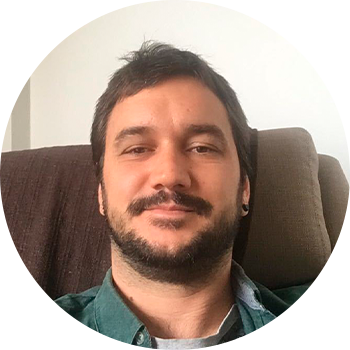
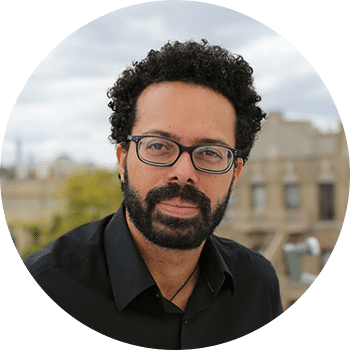
Dr. Nicholas Powers is a poet and novelist, journalist and associate professor of literature. He has published five books. The most recent, “Black Psychedelic Revolution: From Trauma to Liberation” by North Atlantic Books in 2024. His first major talk on psychedelics was in 2017 for Horizons. He is a proud father and believes plant medicine can make the world a better place for the next generation. He sits on the Advisory Board of the Chacruna Institute for Psychedelic Plant Medicines.
Anya Ermakova has a motley background and broad research interests combining nature conservation, ethnobotany, neuroscience and psychiatry, interweaving and connecting these diverse paths through psychedelic science. Anya worked at the forefront of psychedelic research as a science officer at the Beckley Foundation, and has provided psychedelic welfare and harm reduction services with PsycareUK and Zendo. Deep love for nature and wildlife has motivated Anya to study biology at the University of Edinburgh, while a quest to understand altered states of consciousness has prompted her to specialise in neuroscience and later continued during her PhD in psychiatry at Cambridge, where she investigated the origins of psychosis. She then worked for the NHS, developing and trialing a new psychosocial intervention for psychosis. After a brief stint as a clinical trial manager, she had decided to pursue her passion for nature, by studying Conservation Science at Imperial College London, where she researched peyote ecology in Texas, USA. Anya is working as a research consultant in London, is a member of the Council for the Protection of the Sacred Plants at Chacruna, and a board member of the Cactus Conservation Institute.
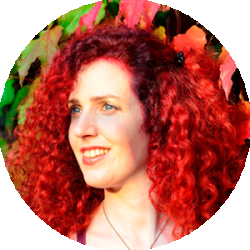
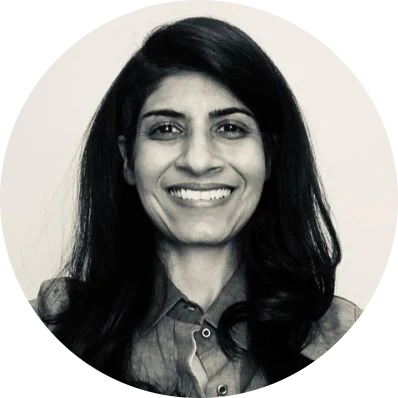
Aisha Mohammed, LMFT is a cisgender, queer, Pakistani-American woman who immigrated from Karachi to Los Angeles as a child. She has been working in harm reduction for a decade with Project SAFE, providing direct services and advocating for the human and labor rights of people who trade sex and use substances. Aisha trained as a family therapist at Drexel University and has worked primarily with low-income families of color, immigrants and people who use substances in community mental health and educational settings..
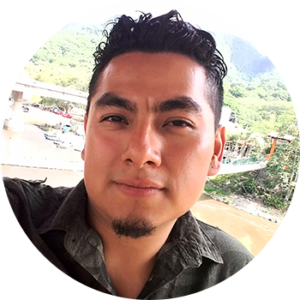
Dr. Osiris García Cerqueda is an Indigenous Mazatec historian and sociologist from Huautla de Jiménez, Oaxaca, Mexico. From a very young age, he has dedicated himself to the study of the history of his community and the practice of the ancestral ritual with psilocybin mushrooms, of which Maria Sabina was renowned. In recent years, reciprocity and restorative justice are the basis of his work of conducting a needs assessment in his community and developing activities to strengthen the Mazatec bioculture. He is the author of the book Huautla tierra de magia, de hongos y hippies [Huautla land of magic, mushrooms, and hippies] (2014) and the independent magazine, Mirador Mazateco (2010–2015). Osiris seeks to raise awareness about the impact of the Global North on the Mazatec people in this new wave of the psychedelic renaissance. He is Program Coordinator of Chacruna’s Indigenous Reciprocity Initiative of the Americas (IRI).
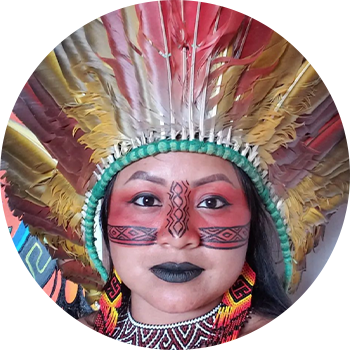
Rita Sales Kaxinawá, Huni Kuin, is a researcher of the knowledge and traditions of the Huni Kuin people, and is politically engaged in the movement. Rita has a BA in letters, is a musician of traditional Huni Kuin songs, and is an artist (especially painting, traditional jewelry, and fabric making). Since 2013, she has been co-founder of the association Kayátibu, Jordão/Acre and in 2022 she became co-founder of the association of Indigenous women Ainbu Dayá. Her art has been exhibited in museums in Berlin (Fórum Humboldt and Mahalla Berlin Art Gallery), London (Paradise Row Projects), Minas Gerais (Museu do Índio UFU), Curitiba (Museu Paranaense Galeria Estação) and São Paulo (MAM and Museu das indigenous cultures). She has given presentations in London (Medicine Festival) and the Brazilian Embassy in Berlin for the panel “International alliances for indigenous peoples and the protection of the Amazon.
Victoria J. Cvitanovic is a lawyer specializing in Psychedelic Medicine, Cannabis, Healthcare, Cybersecurity/Data Privacy, and Corporate Law. With the women of Rudick Law Group, PLLC, she assists healthcare practitioners and businesses navigate highly regulated industries. A trial-tested litigator turned healthcare and business strategist, Victoria’s practice leverages her experience in regulated psychedelics business building, regulated psychedelics and cannabis commercial transactions, cybersecurity auditing, AI implementation and governance, psychedelics and cannabis patient relations, insurance, compliance, litigation portfolio management, supply chain logistics, and medical malpractice defense. By combining her experience, Victoria empowers healthcare providers, suppliers, and retailers to successfully enter and grow in the cannabis and psychedelic medicine industries. She is also a passionate Zen Buddhist, a patient advocate, and a person living with a disability committed to crusading for accessibility. In addition to her law practice, Victoria serves as the President of the Board for Kinship Center, a senior center offering holistic wellness programming for people over 65. Victoria is particularly proud of her role as cofounder of Sober Zen, a meditation group open to anyone interested in the intersection of sobriety and meditation, and of her CLE program, Mindfulness for Prosecutors and Victim Advocates.
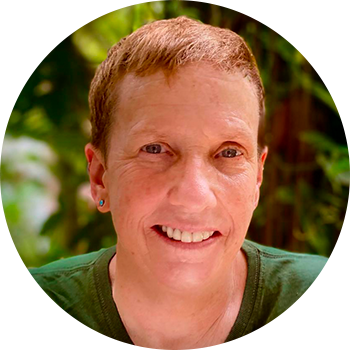
Clancy Cavnar has a doctorate in clinical psychology (Psy.D.) from John F. Kennedy University in Pleasant Hill, CA. She currently works in private practice in San Francisco, and is Co-Founder and a member of the Board of Directors of the Chacruna Institute for Psychedelic Plant Medicines. She is also a research associate of the Interdisciplinary Group for Psychoactive Studies (NEIP). She combines an eclectic array of interests and activities as clinical psychologist, artist, and researcher. She has a master of fine arts in painting from the San Francisco Art Institute, a master’s in counseling from San Francisco State University, and she completed the Certificate in Psychedelic-Assisted Therapy program at the California Institute of Integral Studies (CIIS). She is author and co-author of articles in several peer-reviewed journals and co-editor, with Beatriz Caiuby Labate, of eleven books. For more information see: http://www.drclancycavnar.com.
Dee Dee Goldpaugh, LCSW (they/them/theirs) is a psychotherapist, clinical consultant, educator, and author. Dee Dee is a Women, Gender Diversity, and Sexual Minorities Affiliate Researcher for the Chacruna Institute, the Clinical Director of Chrysalis Integrative Psychotherapy, and is part of the Ketamine-Assisted Psychotherapy team at the Woodstock Therapy Center. Dee Dee is a frequent presenter at international conferences and educational institutions including Psychedelic Science, Psychedelic Culture, ICPR, The OPEN Foundation, and The Institute for Contemporary Psychotherapy. Dee Dee has also published widely on the topics of psychedelics and sexuality, gender, queer issues, trauma, and spirituality for both popular media and academic publications including as a featured author in Queering Psychedelics: From Oppression To Liberation in Psychedelic Medicine. They have authored the first book to explore the intersection of sexuality, spirituality, and psychedelic healing, Embrace Pleasure: How Psychedelics Can Heal Our Sexuality published by Inner Traditions in July 2025. They have eighteen years of professional clinical experience and training in diverse modalities including EMDR, AEDP, Internal Family Systems, Sex Therapy, psychodynamic, transpersonal, and somatic therapy models.
Frequently Asked Questions (FAQ)
Welcome to our FAQ page! Here you’ll find answers to some of the most common questions about our program. If you have any additional questions, feel free to reach out to us at [email protected]
1. What is the format of the classes?
The course combines recorded lectures and live Zoom discussion sessions.
- Pre-recorded lectures: Available a week in advance to watch at your convenience.
- Live discussion classes: 1.5-hour Zoom meetings focused on Q&A and class discussions. Students must watch the recordings and complete readings in advance, as outlined in the syllabus. Students are expected to have watched the recordings and completed any readings ahead of time, as outlined in the syllabus.
- Experiential Sessions: 1.5-hour Zoom meetings where participants will engage in activities, projects, simulations, real-world experiences, and practical exercises that foster active learning and problem-solving skills.
- Integration Sessions: 1.5-hour Zoom meetings where enrollees will have the opportunity to come together as a cohort and discuss with one of the professors from the respective module any questions/comments/concerns over the content covered so far.
2. Are classes recorded?
No, the live discussion classes will not be recorded. The focus of these sessions is interactive, and we encourage you to participate live to make the most of the experience.
3. Will students have access to the lecture PowerPoint slides?
Lecture slides may be provided at the professor’s discretion but are not guaranteed for every class.
4. How much interaction is there with the professors?
You will have ample opportunities to interact with the professors during the live 1.5-hour live sessions. These sessions are an essential course component and they provide a supportive space to ask questions and engage deeply with the material.
5. How much time should I expect to commit to the course each week?
The program requires a weekly time commitment of approximately 3.5 hours:
- 2 hours of independent study at home (watching lectures and completing readings).
- 1.5 hours of online sessions (live Q&A/discussion with professors).
6. Is there a place to further the discussions of the course outside of class time?
Yes, in addition to the live discussion classes, you will have the opportunity to participate in monthly integration sessions. These sessions provide a space for students to continue exploring course themes and discuss insights or questions that may arise outside of the regular class schedule.
7. Will I receive a certificate of participation?
Yes, you will receive a certificate of participation upon successfully completing the course. To qualify, students must meet the attendance requirements and complete the required coursework. Detailed requirements are outlined in the course syllabus.
8. Is the in-person session mandatory?
Yes, attendance at the in-person meeting on March 28th and the Psychedelic Culture Conference on March 29th and 30th are mandatory, as these are key components of the program. If you have accessibility issues, please reach out to us at [email protected]. For more information on the Conference, follow the PCU25 website.
9. Will travel and accommodation be covered for the in-person meeting
Travel, accommodation, and other expenses for the in-person meeting are not covered by Chacruna. However, students will receive a complimentary ticket to the Psychedelic Culture Conference.
10. What is your Refund Policy?
Refunds (on Eventbrite) are not offered after 10% of the course is completed, except in cases of emergencies. For more details or to request an exception, please contact us.
11. Will there be a Payment Plan?
Yes, we offer a payment plan to make the course more accessible to students. The payment options available include up to four installments.
12. What is the attendance requirement to obtain the certificate?
To be eligible for the certificate, students must attend at least 70% of the course sessions.
13. Are there scholarships available?
Scholarships are available for underprivileged students and members of minority groups, please apply here. We encourage early applications to ensure consideration.
14. Who is eligible to apply for the program?
The program welcomes students from diverse backgrounds, including undergraduate and graduate students, facilitators, religious group members, chaplains, and anyone with a genuine interest in the field. We welcome students from all backgrounds, including:
- Undergraduate and graduate students
- Facilitators and members of religious groups
- Chaplains and ceremonial leaders
- Psychotherapists, clinicians and other wellness professionals
- Anyone with a genuine interest and experience in the field
15. How do I apply for the program?
You can apply by filling the application form here.
16. What does the certificate entail?
This certificate does not qualify students as ceremonial leaders, facilitators, or shamans. Instead, it provides foundational education in connection, ethics, safety, and ongoing learning for those involved in psychedelic plant medicine ceremonies, whether as leaders, facilitators, guides, or participants.
Attendance Policy
The attendance requirement to be eligible for the certificate is to attend at least 70% of the course sessions. This includes all class types (discussion, integration, and experiential sessions). Attendance will be taken for all classes throughout the program. Those who attend less than 15 total sessions will not be eligible to receive the official certificate at the end of the program. Please note that this does not include the optional in-person component.