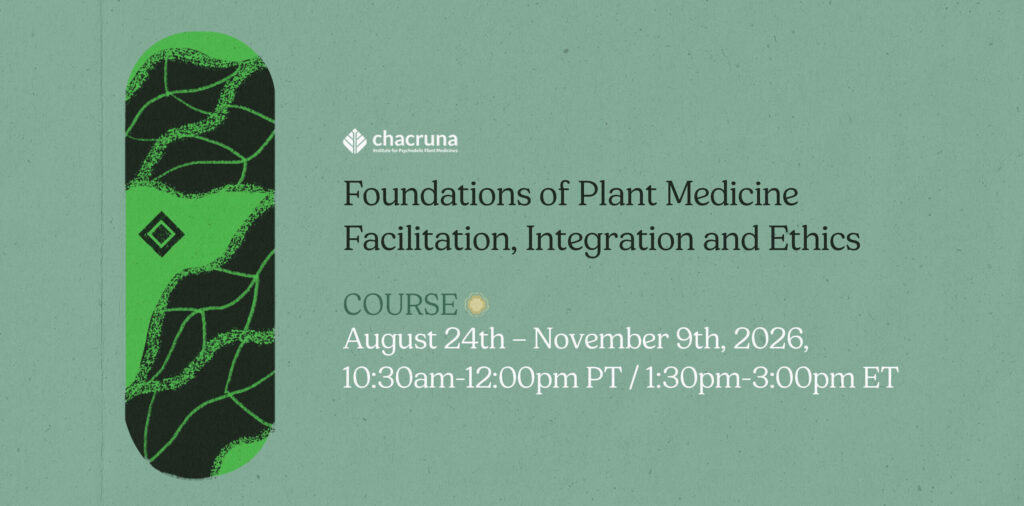
August 24th – November 9th, 2026, 10:30 am-12pm PT / 1:30 pm-3 pm ET
Do you wish you got into this event for free? Become a Chacruna member and receive free or discounted access to all Community Forums, courses, workshops, and more! Also get full access to our entire archive of past forum recordings and join our global network of psychedelic professionals and activists to dive deeper into discussion and discovery
Price $700 USD
Price $320 for CE credits
CE Credits offered: 14 total
Plant medicines often exist in two or more worlds—rooted in traditional ceremonial contexts while also emerging as cutting-edge treatments in clinical and therapeutic settings. As interest in psychedelic plant medicines grows in mainstream culture, critical ethical questions are also surfacing. How can practitioners and facilitators navigate the rich landscape of psychedelic experience with respect and reverence? What does it mean to ethically blend traditional spiritual practices with contemporary therapeutic approaches? What is the role of community in experiencing and integrating sacred plants?
Geared toward anyone interested in psychedelic facilitation, guiding or sitting, from spiritual practitioners to psychotherapists and clinicians, sessions will explore topics including the role and responsibilities of facilitators, trauma and psychedelic healing, harm reduction and psychedelic facilitation, psychedelic care and ethics, the role of ritual and music in psychedelic facilitation, and fundamental psychology for psychedelic facilitators.
Course Structure
The format of the classes is hybrid, including a pre-recorded 1-hour lecture for students to watch on their own time and a 1.5-hour live Q&A and discussion session on Zoom with the professor. Coming into the discussion classes, students are expected to have watched the recordings and read the readings which are listed in the syllabus.
To read more on our recording policy for our trainings and answers to other frequently asked questions, please view our FAQ. You can find more information about our Refund Policy here.
Classes
Click on the class to read the description
Class One – Introduction
Monday, Aug 24, 10:30am–12pm PST / 1:30pm–3pm EST
Professors: Ligia Duque Platero
In this initial class, students will introduce themselves to others in the course, be introduced to the professors and their backgrounds, and gain an understanding of the curriculum and program. Students will leave with preparation for the following classes being taught and a general understanding of the topics that will be discussed throughout the course.
Class Two – Navigating the role of facilitator: Intercultural competency, epistemic humility and self-awareness
Monday, Aug 31, 10:30am–12pm PST / 1:30pm–3pm EST
Professor: Adam Aronovich
In this class, we will explore what it means to be a “facilitator”. We will explore the cultural, medical, epistemic, and ontological context in which facilitating happens and clarify our position in relation to the participants and providers. We will explore the role that our own personal ideology and perception can play in relation to “what ayahuasca is for?” In doing so, we will point to the many different beliefs and ideas prevalent in a rapidly globalizing and intercultural context. We will also pinpoint our own beliefs and biases, recognizing the importance of epistemic humility and an open-ended interpretive framework that honors and includes perspectives/approaches that differ from ours. Furthermore, we will reflect about iatrogenic damage and some of the ways in which facilitators might harm participants through arrogance, ignorance, or dogmatism. It is important to highlight the need for ethnographic and cross-cultural competency when translating ontologies and a diversity of medical and spiritual systems. Lastly, we will touch on integration and dietary restrictions, the need to navigate epistemic diversity, folk knowledge, and superstition with wisdom, grace, and self-awareness. This class will help students understand the limits of our own knowledge and hold ourselves responsible for always staying within the boundaries of our own competencies.
Class Three – Trauma & The Psychedelic Healing Journey: An Embodied Approach
Monday, Sep 14, 10:30am–12pm PST / 1:30pm–3pm EST
Professor: Licia Sky
Being out of touch with yourself and the feelings of people around you, is one of the hallmarks of traumatic stress. While psychedelics can amplify our self experience and enhance healing exploration, beginning to establish the relationship with one’s self is a crucial first step towards navigating and transforming trauma. Psychedelics have the potential to magnify our self-awareness, acting as catalysts for introspection and insight. By embarking on a journey of self-discovery facilitated by psychedelics, individuals can initiate the process of reconnecting with their authentic selves and exploring the depth of their emotions. In the realm of psychedelic experiences, users often describe a heightened sensitivity to their internal landscapes, allowing them to confront suppressed emotions, memories, and aspects of their identity. This enhanced self-awareness becomes a powerful tool for those seeking healing from traumatic stress. The establishment of a relationship with oneself during a psychedelic experience involves a compassionate and open exploration of one’s thoughts, emotions, and sensations. It invites individuals to face the roots of their trauma with courage and curiosity, fostering an environment conducive to healing and transformation. Furthermore, as the psychedelic journey unfolds, users may also experience a profound sense of interconnectedness with others and the world at large. This expanded awareness can extend beyond personal boundaries, facilitating empathy and understanding of the feelings of those around them. Through this process, individuals begin to dissolve the barriers that trauma may have erected, fostering a deeper connection not only with themselves but also with the broader human experience. This class will offer a 101 introduction to trauma and its relation to the concepts mentioned above.
Class Four – The role of spirituality, ritual, music and community in psychedelic facilitation
Monday, Sep 21, 10:30am–12pm PST / 1:30pm–3pm EST
Professor: Henrique Antunes
There is currently a global expansion in plant medicine ceremonies, however, the knowledge on the best ways to navigate them, both as facilitators and participants, still seems limited. This class will advocate for the importance of cultivating a spiritual approach to the use of psychedelics, and openness towards different ceremonial traditions and their expansion across borders, and ever-evolving landscape. It will teach facilitators to acquire the social and anthropological sensitivity to situate themselves in the different plant medicine contexts, both in relation to the participants and the local population where ceremonies are hosted. It will reflect critically on the centrality and role of the social and cultural setting, as well as take into account important social markers of participants, such as race, ethnicity and gender. In this sense, it will help students shift the understanding from personal healing and trauma, to the collective and social dimension of the use of psychedelics. The class will also draw students’ attention to the different dimensions of the psychedelic journey, underlining the importance of music, which is often underestimated. It will also address the role of the body, silence and dance in ceremonial contexts. Finally, departing from a combined 26 years of empirical experience with local ayahuasca communities in Brazil, it will reflect on the role of community in experiencing and integrating sacred plants, as well as the challenges in belonging to them, such as ego wars and group dynamics. It will also address the potential of rituals and their different elements as powerful conductors of experience. It will conclude by dissipating some myths and dilemmas around having an “intention” before consuming psychedelics and “integration” after them.
Class Five – How can Zendo harm reduction principles inform psychedelic facilitation?
Monday, Sep 28, 10:30am–12pm PST / 1:30pm–3pm EST
Professor: Timothy Crespi and Simone Weit
Over the past 13 years, The Zendo Project has been offering psychedelic peer support, harm reduction services, and Zendo trainings at events. Along with thousands of volunteers and guests receiving services, Zendo staff and volunteers have developed and evolved what they consider to be best practices for reducing potential harm for those who have embarked on a psychedelic journey and who need support. Zendo’s specialized work in harm reduction and response to challenging psychedelic experiences has broad applicability to plant medicine ceremonies, and this class will engage students in an exploration of best practices to support practitioners in mitigating risk and responding to difficulties or crisis. In this class we will explore what leads to harm in psychedelic spaces, Zendo’s core principles for harm reduction, de-escalation strategies, and tools for working with adverse events. This class focuses on how to use practical skills in supporting anyone experiencing challenges in a non-ordinary state of consciousness in plant medicine work and beyond. Live discussion will provide an opportunity to learn from case studies and develop attuned and responsive care during challenging psychedelic experiences.
Class Six – Fundamental psychological principles for psychedelic facilitators
Monday, Oct 5, 10:30am–12pm PST / 1:30pm–3pm EST
Professor: Clancy Cavnar
This class combines the teacher’s 25 years of experience with ayahuasca with her decades of work as a clinical psychologist, allowing her to offer unique insight into the dynamics of facilitating plant medicine ceremonies. It explores fundamental concepts of psychology pertinent to this work and will look at basic dynamics that arise in helping situations, such as transference and countertransference, examining the dynamics of emotional projection onto the facilitator and vice versa. Participants will gain insights into ego-inflation, looking at how altered states can magnify and distort self-perception. The class also addresses the delicate balance between spiritual bypassing and authentic spiritual emergence. Exploring suggestibility, transitional psychosis, delusions, and post-ritual mania and depression, facilitators will be equipped to recognize and navigate challenging psychological states. Through a combination of theoretical exploration, case studies, and practical scenarios, students will learn the basics of psychological processes relevant to psychedelic facilitation necessary for providing safe, supportive, and transformative guidance in the realm of plant medicine ceremonies.
Class Seven – Preparation and Integration for Plant Medicine Ceremony Contexts
Monday, Oct 19, 10:30am–12pm PST / 1:30pm–3pm EST
Professor: Bruno Ramos Gomes
In this class, we will explore in depth the concepts of preparation and integration and the practices associated with it. Why is it important for a person to prepare to participate in a ceremony with sacred plants? How can one prepare for an experience like this? Preparation is carried out using varied practices, according to each context in which the ceremony takes place. We will approach preparation from a Western perspective and also preparation in some other contexts in the Global South. We will also talk about how to include the difference in realities and values in preparation, to make the experience richer, and with less risk of following the colonial script. Regarding integration, we will briefly discuss the origin of the term and its current uses. This path will help us understand what we seek to integrate, and in what way. In addition to presenting practices that can help in the experience integration process, we will exercise different ways to help the participant make the best possible use of their experience with a teaching plant.
Class Eight – Between psychedelic therapy and ceremony: when above ground treatment is not enough
Monday, Oct 26, 10:30am–12pm PST / 1:30pm–3pm EST
Professor: Jordan Sloshower
Recent clinical trials of psychedelic therapies have demonstrated the significant potential of these treatments for addressing a variety of mental disorders and forms of distress. However, there are significant limitations, both in terms of accessibility and effectiveness, to psychedelic treatments currently available in clinical and clinical trial settings in the United States. Drawing on his experience conducting psilocybin-assisted psychotherapy in clinical trials and ketamine-assisted psychotherapy in private practice, and as a participant in a variety of plant medicine ceremonies, the instructor will introduce some of these limitations and then focus on the ethical and clinical issues posed when clients express the desire to pursue underground psychedelic therapy or plant medicine ceremonies. Specifically, we will explore the tensions involved in making recommendations or referrals and consider how to adopt a harm reduction approach. In so doing, we will explore potential benefits and risks associated with different contexts of psychedelic use among clinical populations (e.g. treatment flexibility/variability, levels of oversight and support, forms of preparation and integration). Case studies from the instructor’s real world experience will provide the opportunity to consider and work through several challenging scenarios.
Class Nine – Psychedelic Care and Ethics
Monday, Nov 2, 10:30am–12pm PST / 1:30pm–3pm EST
Professor:
Ethical practice is essential for the responsible and compassionate facilitation of psychedelic care in ceremonial and therapeutic contexts. Ethical care begins with reciprocity and healthy, just relationships. Broader than a set of rules designed to dictate behavior and prevent exploitation, sustained ethical care is rooted in moral sensitivity cultivated over time and through community accountability. Accountability empowers practitioners and facilitators to navigate the rich landscape of psychedelic experience with respect and reverence for the well-being of individuals, communities, and plant medicine traditions. This class will consider informed consent, the use of touch, the potential for misuses of power in altered states of consciousness, the subtleties of implicit bias, dual relationships, and power differentials in psychedelic care. Participants will be encouraged to identify opportunities for building support and responsibility in their own professional and community contexts. Emerging ethical standards from credentialing organizations, insights from Indigenous scholar-practitioners, and real life case studies will provide tangible illustrations of ethical psychedelic care.
Class Ten – Conclusion
Monday, Nov 9, 10:30am–12pm PST / 1:30pm–3pm EST
Professor: Ligia Duque Platero
In this final class, we will strive to summarize everything taught throughout the course. In doing so, we will recap the main concepts, highlight the main moments, and give folks a chance to voice any significant takeaways about the topics discussed. We will also do a critique of the course and think of ways to improve it for future teachings.
Professors
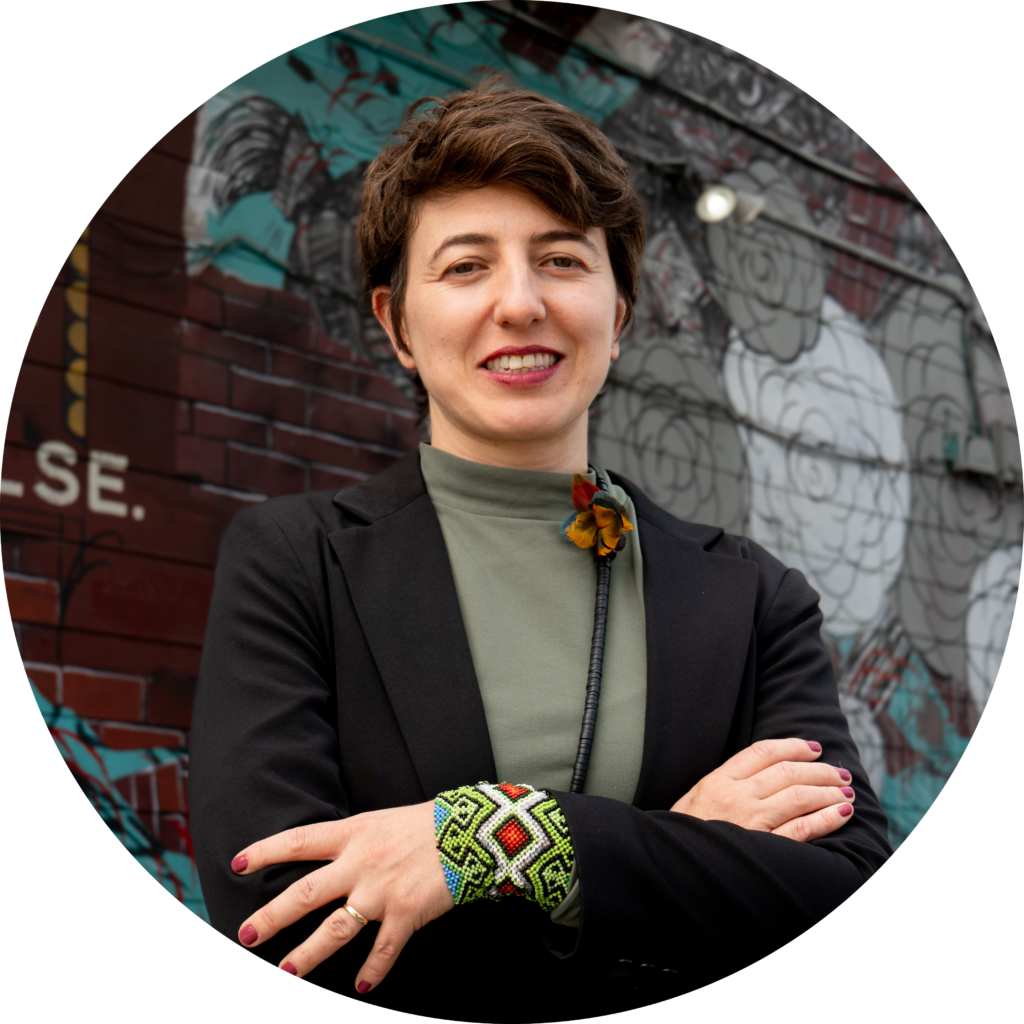
Lígia Duque Platero is the Education Program Associate at the Chacruna Institute for Psychedelic Plant Medicines. She is a queer Brazilian woman based in Rio de Janeiro and the mother of a young child. She holds a PhD in Cultural Anthropology (2018) from the Federal University of Rio de Janeiro (UFRJ) and completed a postdoctoral fellowship in Anthropology (2021) at Fluminense Federal University (UFF) through the Center for Research on Psychoactive Substances and Culture (PSICUCULT). She earned an MA in Latin American Studies from the National Autonomous University of Mexico (UNAM, 2012), in Mexico City, and a BA in History (2005) plus a teaching credential in History (2006) from the University of São Paulo (USP), Brazil. She is the author of Virando indígenas, virando Yawanawás (Becoming Indigenous, Becoming Yawanawá; Mercado de Letras/Chacruna Institute, in press). She is also research associate at the Interdisciplinary Group for Psychoactive Studies (NEIP). Her research and publications address ayahuasca networks in forest and urban contexts, Amazonian “forest medicines,” cultural transformations, ritual, Santo Daime, the Yawanawá (Pano) people, intersectionality, queer issues, and Indigenous rights.
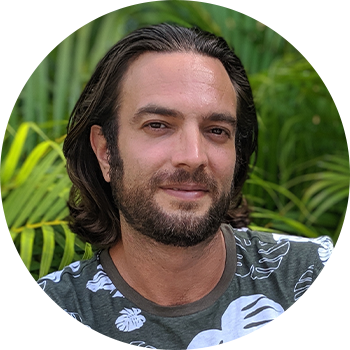
Adam Aronovich is a doctoral candidate in Anthropology and Communications at Universitat Rovira i Virgili in Catalonia, focusing on Medical Anthropology and Cultural Psychiatry. He is an active member of the Medical Anthropology Research Center (MARC) and has spent close to 5 years living and working in the Peruvian Amazon, conducting extensive fieldwork and qualitative research in collaboration with ICEERS, the Beckley Foundation, and, more recently, the Centre for Psychedelic Research at Imperial College. Beyond research, Adam has facilitated healing retreats and workshops in the Peruvian Amazon and, currently in Mexico. He is also a process facilitator and provides preparation and integration support in private practice and the co-founder and COO of Hidden Hand Media, a creative agency in the space of transformation and technology. Additionally, Adam is Media Associate for the Chacruna Institute for Psychedelic Plant Medicines.
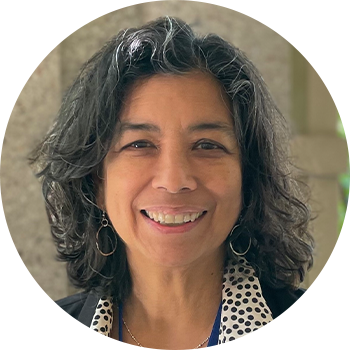
Licia Sky is Co-founder of the Trauma Research Foundation. She is a somatic educator, artist, singer-songwriter, and bodyworker who works with traumatized individuals and trains mental health professionals to use mindful meditation in movement, theater exercises, writing, and voice as tools for attunement, healing, and connection. She is a regular instructor in trauma healing workshops at Cape Cod Institute, Kripalu, and Esalen. For the past decade, she has been teaching expanded awareness in workshops to clinicians and laypeople around the world.
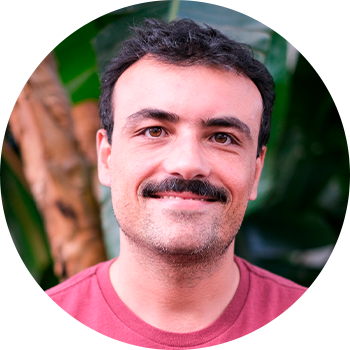
Henrique Fernandes Antunes is Research Director at the Chacruna Institute for Psychedelic Plant Medicines. He holds a Ph.D. in anthropology from the University of São Paulo (2019), where he also earned his M.A. in 2012. He completed his undergraduate and teaching degrees in social sciences at São Paulo State University (UNESP-FFC) in 2008. Dr. Antunes has been a visiting scholar at UC Berkeley and has held postdoctoral positions at the Centre d’Étude des Mouvements Sociaux (CEMS) at EHESS, the Department of Classics and Religious Studies at the University of Ottawa, and the International Postdoctoral Program at the Brazilian Center of Analysis and Planning (CEBRAP). He is a member of CEBRAP’s Religion in the Contemporary World research group and is affiliated with the Interdisciplinary Group for Psychoactive Studies (NEIP). His research explores the regulation and global circulation of ayahuasca, with a particular focus on legal, political, and cultural frameworks in Brazil and beyond. He has also written about the mainstreaming of psychedelics, the DEA’s religious exemption for churches, and the psychedelic renaissance.
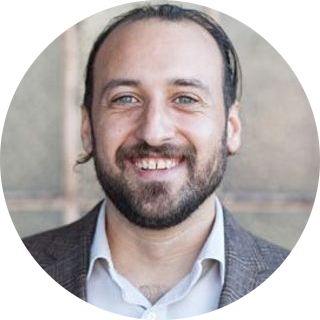
Timothy Crespi has been a Zendo Supervisor for the past 7 years and has co-led Zendo trainings in Portland in Seattle. He has a private practice in Portland, Oregon where he offers Somatic therapy and works with clients integrating psychedelic and other non-ordinary experiences. Timothy has worked as an Educator, Curriculum Developer, and Program Director in the field of Psychedelic Care and served as a co-lead on psilocybin retreats with Synthesis at The Venwoude Retreat Center in the Netherlands. In recognition that psychedelic work is deeply relational, Timothy is dedicated to co-creating and teaching harm reduction practices in all aspects of the emerging field.
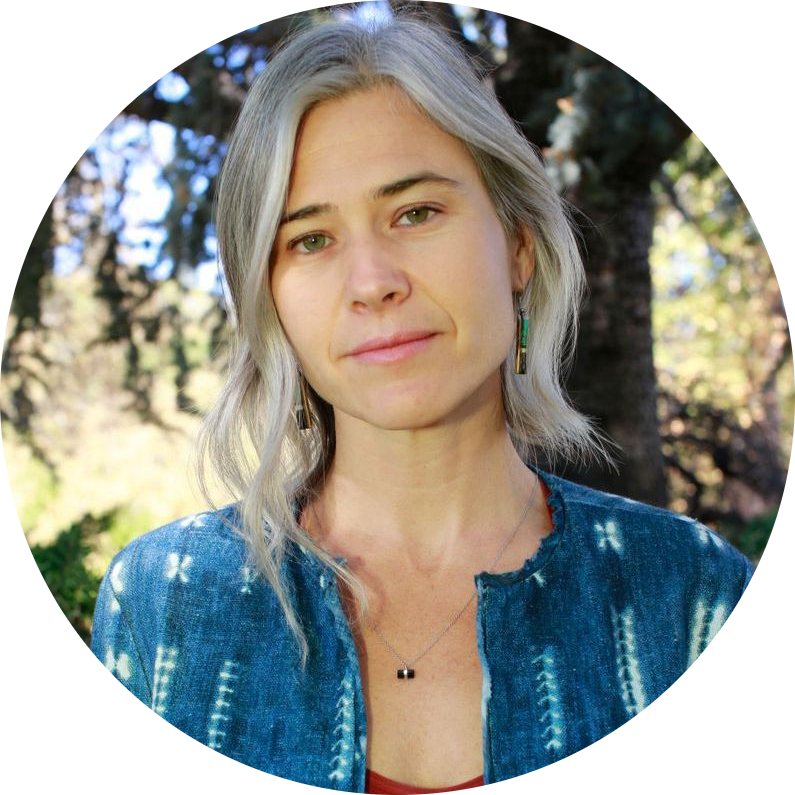
Simone Weit is an educator in the psychedelic field as well as a therapist working in a private ketamine therapy practice. Simone has worked as a supervisor for the Zendo Project and has training in Ketamine Assisted Psychotherapy through the Polaris Insight Center, MDMA Assisted Therapy through MAPS, and has completed the Synthesis Psychedelic Practitioner Training Program and is completing her psilocybin facilitator’s license through Inner Trek. Simone has also served as a learning facilitator, educator, and content advisor for the Synthesis Institute and lead educator for the Zendo project. Her additional experience includes over 20 years of participation and study in Peruvian plant medicine traditions, work as a sitter and trauma attuned yoga instructor at the Iboga Therapy House in British Columbia, and multiple years of combined experience in service to children and elders in the global south.
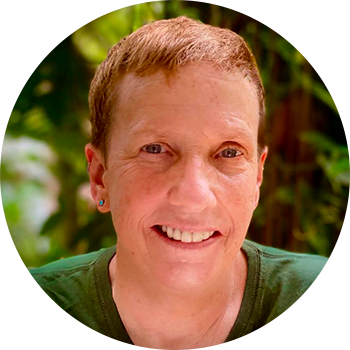
Clancy Cavnar (she/her) has a doctorate in clinical psychology (Psy.D.) from John F. Kennedy University in Pleasant Hill, CA. She currently works in private practice in San Francisco, and is Co-Founder and a member of the Board of Directors of the Chacruna Institute for Psychedelic Plant Medicines. She is also a research associate of the Interdisciplinary Group for Psychoactive Studies (NEIP). She combines an eclectic array of interests and activities as clinical psychologist, artist, and researcher. She has a master of fine arts in painting from the San Francisco Art Institute, a master’s in counseling from San Francisco State University, and she completed the Certificate in Psychedelic-Assisted Therapy program at the California Institute of Integral Studies (CIIS). She is author and co-author of articles in several peer-reviewed journals and co-editor, with Beatriz Caiuby Labate, of eleven books. For more information see: http://www.drclancycavnar.com.
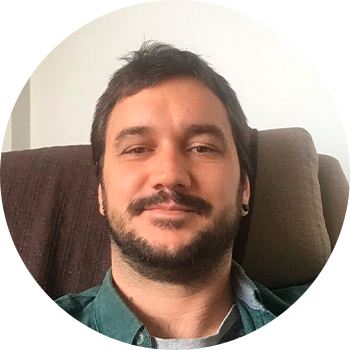
Bruno Ramos Gomes is a Brazilian psychologist, with Master’s degree in Public Health at the School of Public Health-USP, and a PhD in Public Health at University of Campinas, Brazil. In his masters, he researched the use of ayahuasca in the recovery of homeless people and drug users. In his PhD, he did a 12 month qualitative follow-up of patients treating drug dependence and depression. He has been helping patients integrate ibogaine and ayahuasca in their therapeutic processes for the last 12 years. He is a member of the ICARO (Interdisciplinary Cooperation for Ayahuasca Research and Outreach)-UNICAMP and Chacruna’s Ayahuasca Community Committee.
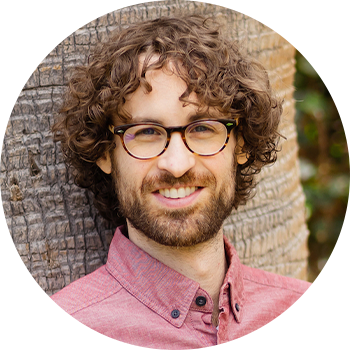
Jordan Sloshower, MD, MSc is a psychiatrist, researcher, and educator whose work focuses on therapeutic applications of psychedelic medicines, and in particular, how these novel treatments can be delivered in a manner that promotes holistic healing and social justice. He is co-director of West Rock Wellness, PLLC and a clinical instructor in the Yale Department of Psychiatry, where he co-founded the Yale Psychedelic Science Group and served as an investigator and therapist in several clinical trials of psilocybin-assisted therapy. Jordan is also a clinical investigator in MAPS’ Expanded Access Program for MDMA-assisted therapy of PTSD and serves as a trainer with Usona Institute’s psilocybin facilitator training program. Reflecting his commitment to ethical stewardship of psychedelic medicines, Jordan was elected to the Board of Directors of the American Psychedelic Practitioners Association and serves as a member of Chacruna Institute’s Council for the Protection of Sacred Plants. Jordan’s interdisciplinary perspective is informed by prior training in medical anthropology and global health, and deep interests in ceremonial uses of plant medicines, Buddhist philosophy, and integrative approaches to wellness.